HD
as Self
To download the movie you need to register a free account
🔓 REGISTER NOWAccess to download all movies
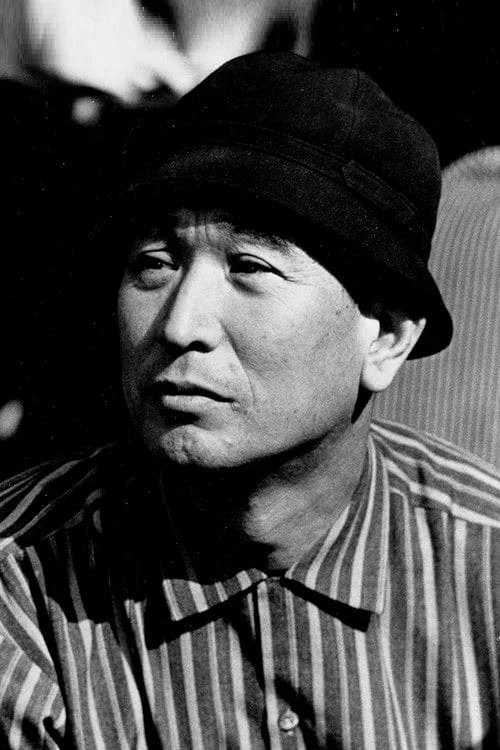
Akira Kurosawa (黒澤 明) was a renowned Japanese director and artist, whose cinematic career spanned over fifty years and included the direction of thirty films. Recognized as one of the most significant filmmakers in cinema history, Kurosawa developed a distinctive and dynamic style that, while influenced by Western filmmaking, maintained its own unique identity. His journey in the film industry began in 1936 after a brief career as a painter. He initially worked as an assistant director and screenwriter before making his directorial debut with the action film Sanshiro Sugata in 1943 during World War II.
Kurosawa's breakthrough came with the 1948 film Drunken Angel, which featured a young Toshiro Mifune, marking the beginning of a fruitful collaboration that resulted in fifteen films together. His 1950 masterpiece Rashomon won the Golden Lion at the Venice Film Festival, making waves internationally and paving the way for the global appreciation of Japanese cinema. Throughout the 1950s and early 1960s, Kurosawa released a series of critically acclaimed films, including Ikiru (1952), Seven Samurai (1954), Throne of Blood (1957), Yojimbo (1961), and High and Low (1963).
Although his output slowed in the later decades, his films Kagemusha (1980) and Ran (1985) were met with acclaim. In 1990, he received the Academy Award for Lifetime Achievement. Posthumously, he was honored by AsianWeek and CNN as one of the most impactful figures in the arts of the 20th century. His legacy endures through numerous retrospectives and critical studies dedicated to his influential body of work.