Paul Tibbets
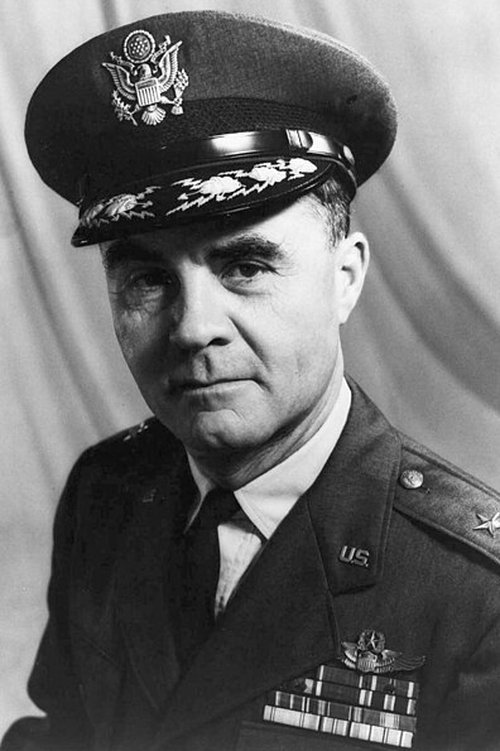
Paul Warfield Tibbets Jr. (February 23, 1915 – November 1, 2007) served as a brigadier general in the United States Air Force, earning a prominent place in history for his role during World War II. He is primarily recognized for piloting the B-29 Superfortress, the Enola Gay, which was named after his mother. On August 6, 1945, Tibbets commanded this aircraft during the mission that dropped "Little Boy," the first atomic bomb ever used in combat, targeting the city of Hiroshima, Japan.
Tibbets' military career began in the late 1930s and progressed as he gained experience in various aviation roles. His leadership and strategic expertise culminated in his selection for the Manhattan Project, the top-secret initiative to develop atomic weapons. The mission to Hiroshima marked a pivotal moment in the war and world history, leading to Japan's surrender and ultimately shaping post-war geopolitics.
Following the war, Tibbets continued his service in the Air Force, contributing to the development of strategic bombing tactics and nuclear deterrence strategies during the Cold War. He retired in 1966 after a distinguished career, leaving behind a complex legacy as both a military leader and a key figure in the history of nuclear warfare. Tibbets passed away in 2007, remembered for his significant yet controversial role in one of history's most consequential events.
Filmography