Home Movies Series
Genres
Year
Episodes Most Viewed Movies Most Viewed TV People
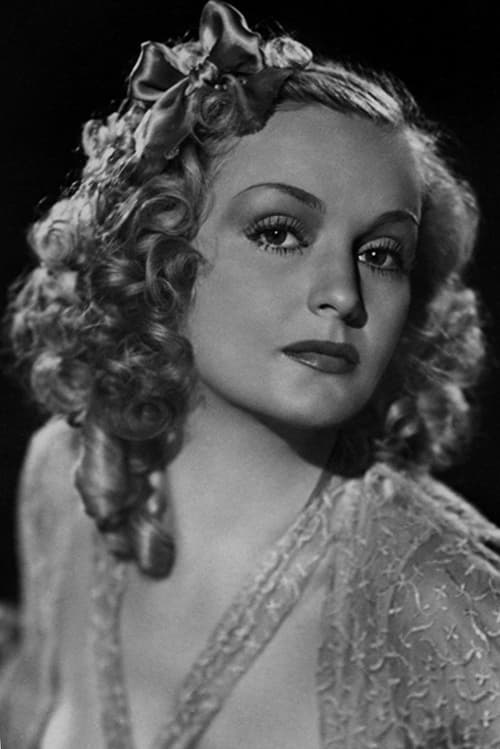
Camilla Horn

Camilla Horn

2 titles Acting Apr 25, 1903 Died: Aug 14, 1996 Frankfurt am Main, Germany

Camilla Horn, born to a railroad executive, received her education across Germany and Switzerland. She began her career as a dressmaker, gaining initial experience in a fashion salon in Erfurt. However, her aspirations led her to the performing arts, where she took dance lessons in Berlin and honed her acting skills under the mentorship of Lucie Höflich. Horn's striking beauty and talent soon caught the eye of cabaret impresario Rudolf Nelson, leading her to perform in his revues.

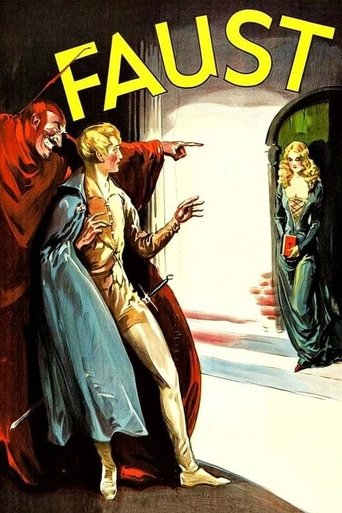
In 1926, Horn’s big break came when she joined Ufa as an extra, where she was discovered by renowned director F.W. Murnau. He cast her as Gretchen in his iconic film Fausto (1926), which propelled her to immediate fame. Within a year, she ventured to Hollywood, signing with United Artists and forming connections with industry giants like Charles Chaplin and Joseph M. Schenck. Despite starring roles in the melodramas Tempestad (1928) and Amor eterno (1929) alongside John Barrymore, her Hollywood endeavors didn’t achieve commercial success.

As sound film emerged, Horn returned to Europe, performing on stage in London and Paris before resuming her film career in Germany. Throughout the 1930s, she embraced diverse roles, from baronesses to vamps, with standout performances in films like Hans in allen Gassen (1930) and Payasos (1938). Her outspoken stance against the Nazi regime led to personal turmoil, including a tumultuous affair with singer Louis Graveure, which ended when he fled to avoid Gestapo scrutiny.

After World War II, Horn reinvented herself as an interpreter for U.S. forces and made a triumphant return to the stage in 1948. The latter part of her career saw her embodying sophisticated matriarchs in both film and television. In 1974, she was honored with the Filmband in Gold for her lifetime achievements in German cinema. Her

Filmography