Maka Kotto
Maka Kotto, born on December 7, 1961, in Douala, Cameroon, is a prominent Cameroonian-Canadian politician and cultural figure. After completing his secondary education at Lycée Henri-Martin in Saint-Quentin, France, Kotto pursued studies in law, politics, dramatic arts, and cinema across various French cities, including Nanterre, Bordeaux, and Paris. He made the move to Quebec, Canada, in 2006, where he initially worked as an educator in dramatic arts for nearly 15 years.
Kotto’s political career began when he was elected as a member of the Bloc Québécois to the House of Commons in the 2004 federal election, defeating incumbent Liberal MP Yolande Thibeault and making history as the first black MP for the Bloc. He secured re-election in 2006 before shifting his focus to provincial politics. In November 2007, he announced his candidacy for the Parti Québécois in the Bourget riding, winning the by-election on May 12, 2008, with 40% of the vote. Kotto served as Minister of Culture and Communications from 2012 to 2014 under the Parti Québécois government, contributing significantly to Quebec's cultural landscape.
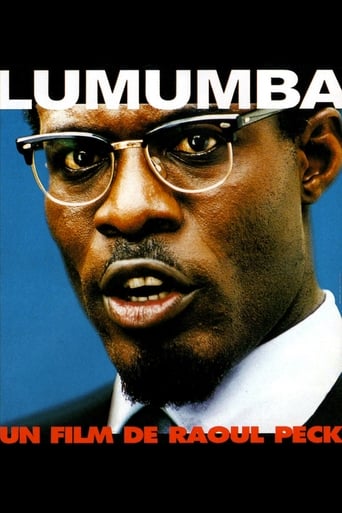
In addition to his political work, Kotto is also a published author and has appeared in films, including the 1989 adaptation of Dany Laferrière’s novel, "How to Make Love to a Negro Without Getting Tired," and the 2000 film "Lumumba." He is married to Caroline St-Hilaire, former mayor of Longueuil, and they have four children together. Kotto's diverse talents and contributions continue to resonate in both political and cultural realms.
Filmography