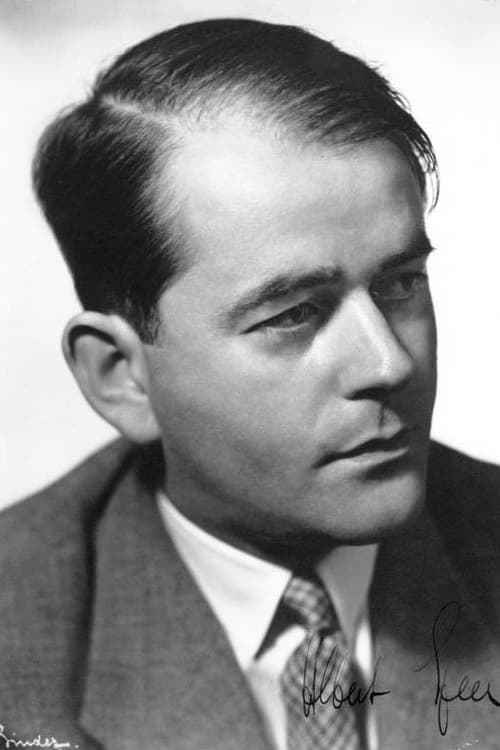
Albert Speer
Berthold Konrad Hermann Albert Speer, known as Albert Speer, was a prominent German architect and influential figure in Nazi Germany. Born on March 19, 1905, Speer played a significant role during World War II as the Minister of Armaments and War Production, a position he held for a substantial portion of the conflict. As a key associate of Adolf Hitler, Speer was responsible for overseeing the production of weapons and military supplies, which were crucial for the German war effort.
Speer was not only recognized for his architectural prowess, having designed grand structures that embodied Nazi ideals, including the reconstruction of Berlin, but he also became known for his organizational skills, which greatly enhanced Germany's wartime output. His work earned him a reputation for efficiency and innovation.
Following the war, Speer was tried at the Nuremberg Trials, where his close ties to the Nazi regime and his role in the war were scrutinized. In 1946, he was sentenced to 20 years in prison for crimes against humanity. After serving his time, Speer published several books, including his memoirs, which offered insight into his experiences and perspectives during the Third Reich. He passed away on September 1, 1981, leaving behind a complex legacy intertwined with the history of Nazi Germany.
Filmography
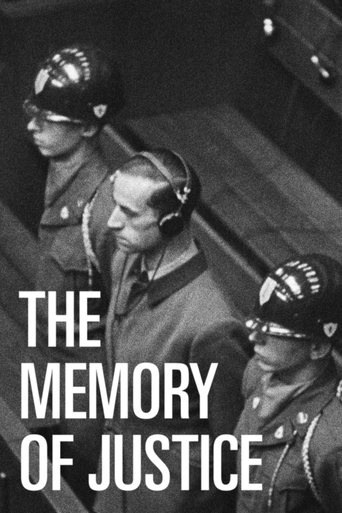
The Memory of Justice