
HD
as Francis
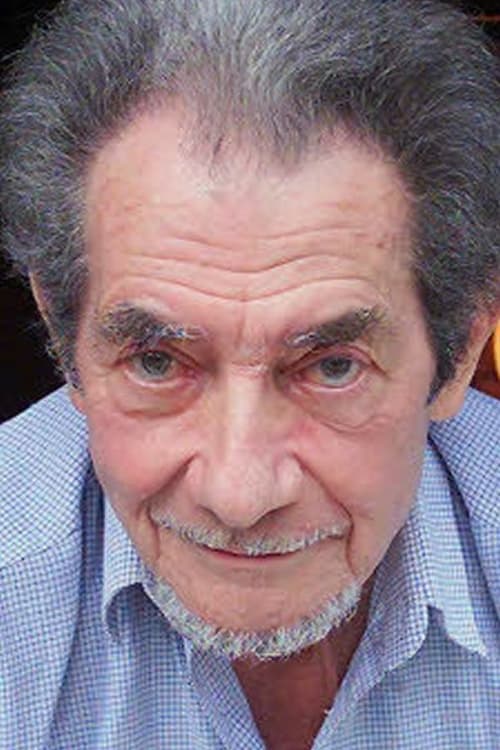
Francis Jeanson (July 7, 1922 – August 1, 2009) was a prominent French political activist celebrated for his unwavering support of the National Liberation Front (FLN) during the Algerian War. Not to be confused with journalist Henri Jeanson, Francis carved his own path in the political and intellectual spheres of France.
During World War II, Jeanson evaded the forced labor service by fleeing to Spain and joined the Armée française de la Libération in 1943. His journalism career began in 1945 when he worked for Alger républicain, where he connected with renowned figures such as Albert Camus and Jean-Paul Sartre. Jeanson managed Sartre's influential magazine, Les Temps modernes, from 1951 to 1956, and his critique of Camus's work, The Rebel, marked a significant rift in their relationship.
In 1948, Jeanson was introduced to Emmanuel Mounier, leading him to the magazine Esprit and the Éditions du Seuil, where he directed the "Écrivains de Toujours" series after Mounier's passing in 1950.
Amid the Algerian conflict, he established the Jeanson network in 1957 to fund the FLN, which was dismantled in 1960, resulting in an absentia conviction for high treason and a ten-year prison sentence. After his amnesty in 1966, he contributed to cultural initiatives in Chalon-sur-Saône and championed open psychiatry through the SOFOR program.
In 1992, Jeanson became president of the Sarajevo Association, advocating for the Bosnian people, and ran for the European Parliament in 1994, reflecting his enduring commitment to social justice.
