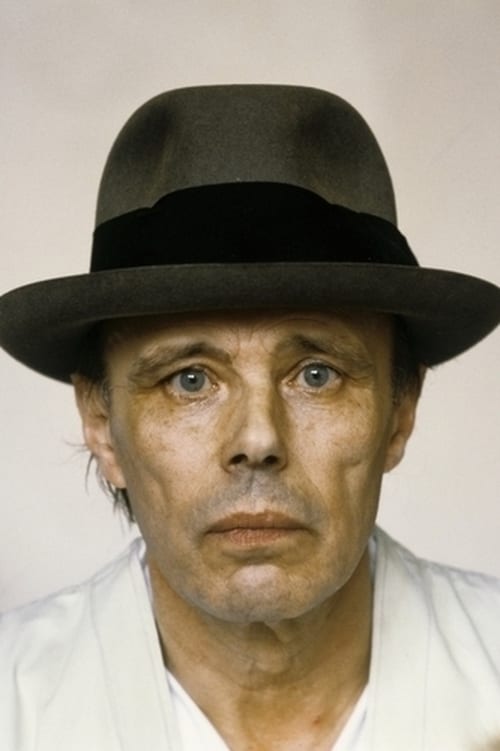

Joseph Beuys
Joseph Beuys was a prominent German artist, educator, and theorist who left a significant mark on contemporary art during the latter part of the 20th century. Renowned for his innovative approach to art, Beuys was a pivotal figure in the Fluxus movement, which emphasized the integration of art and life through interdisciplinary practices. His work often combined elements of performance, social activism, and conceptual art, making him a key proponent of happenings and performance art.
Beuys's artistic philosophy was deeply rooted in the belief that everyone has the potential to be an artist, advocating for the democratization of creativity. His most notable works include "How to Explain Pictures to a Dead Hare," where he engaged in a profound dialogue about art's meaning, and "The Fat Chair," which symbolized his exploration of materials and their socio-political implications.
Throughout his career, Beuys was also a dedicated educator, teaching at the Düsseldorf Academy of Fine Arts, where he inspired countless students. His impact extended beyond the art world, as he utilized his platform to address issues such as ecology, politics, and society. Beuys's legacy endures, reflected in his numerous exhibitions and the ongoing relevance of his ideas in contemporary art discourse. He passed away in 1986, but his influence continues to resonate, shaping the landscape of modern artistic practice.
Filmography