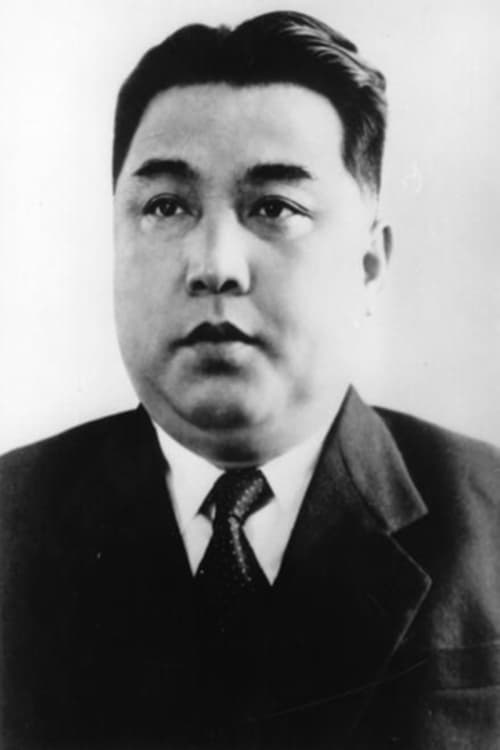
Kim Il-sung
Kim Il-sung served as the founding leader of North Korea, holding the position of President from 1948 until his death in 1994. Born on April 15, 1912, in Mangyongdae, he emerged as a prominent figure during the Korean resistance against Japanese occupation. Following the end of World War II, he became the leader of the Korean Workers' Party and played a crucial role in establishing the Democratic People's Republic of Korea (DPRK).
Under his leadership, Kim Il-sung implemented a stringent regime characterized by a personality cult that glorified his image and authority. He was instrumental in the Korean War (1950-1953), which solidified his position as a key figure in North Korean history. His government focused on the principles of Juche, or self-reliance, which became a cornerstone of North Korean ideology.
Among his notable works is the development of the country's heavy industry and military capabilities, positioning North Korea as a formidable state in the region. Kim Il-sung's policies and direction shaped North Korea's political landscape for decades, leading to a legacy that continues to influence the nation even after his passing. His leadership was marked by significant events, including the establishment of a one-party state, the promotion of nationalistic sentiments, and the ongoing tensions with South Korea and the international community.
Filmography
The Autobiography of Nicolae Ceausescu
I Am Sun Mu
The Propaganda Game
Dennis Rodman's Big Bang in PyongYang
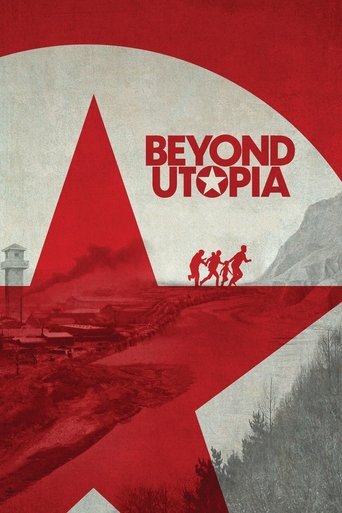
Beyond Utopia
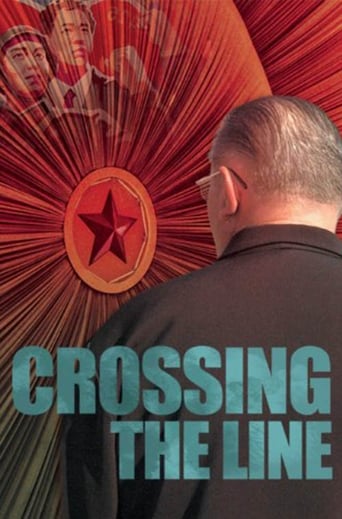
Crossing the Line (2006)
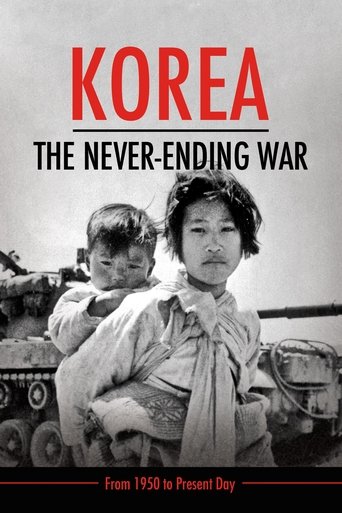
Korea: The Never-Ending War