T. S. Eliot
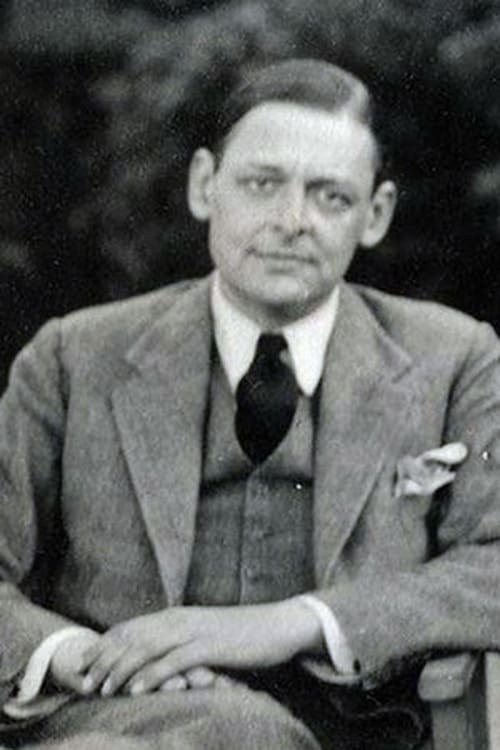
Thomas Stearns Eliot, born on September 26, 1888, in St. Louis, Missouri, was a distinguished poet, essayist, and playwright who played a pivotal role in shaping Modernist poetry in the English language. Renowned for his innovative use of language and unique writing style, Eliot redefined poetic expression, introducing new verse structures that captivated audiences and critics alike. His critical essays also challenged traditional cultural norms, offering fresh perspectives on literature and society.
Eliot's journey took a significant turn when he relocated to England in 1914 at the age of 25, where he eventually settled, began his career, and married. He became a British citizen in 1927, relinquishing his American nationality. His early work, "The Love Song of J. Alfred Prufrock" (1915), garnered attention for its unconventional approach to modern themes. This was followed by his groundbreaking poem "The Waste Land" (1922), which is often regarded as one of the most important works of 20th-century literature. He continued to produce influential works such as "The Hollow Men" (1925), "Ash Wednesday" (1930), and the celebrated "Four Quartets" (1943).
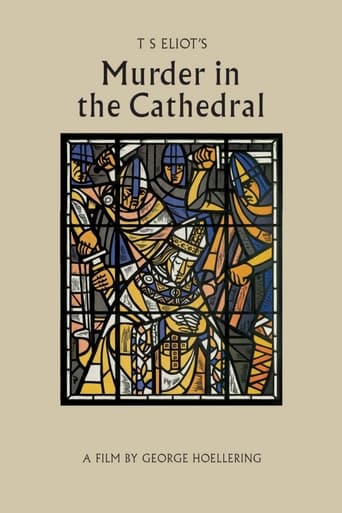
In addition to his poetry, Eliot authored seven plays, notably "Murder in the Cathedral" (1935) and "The Cocktail Party" (1949). His literary contributions were recognized with the Nobel Prize in Literature in 1948, awarded for his significant and pioneering influence on contemporary poetry. Eliot passed away on January 4, 1965, leaving behind a rich legacy that continues to inspire writers and readers today.
Filmography