HD
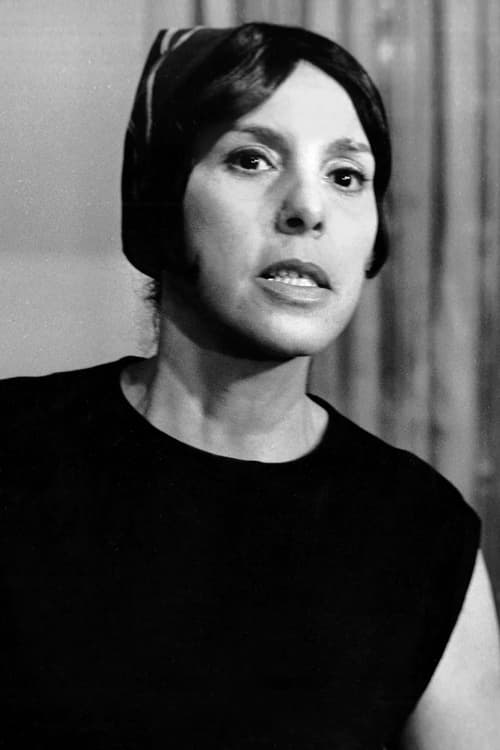
Keltoum, born Aïcha Adjouri on February 4, 1916, in Blida, Algeria, was a pioneering actress whose contributions to Algerian theater and cinema left an indelible mark. She passed away on November 11, 2010, in Algiers, leaving behind a legacy that highlights her remarkable career.
Her journey into the performing arts began when she caught the attention of Mahieddine Bachtarzi, who cast her in a minor role as a dancer in an operetta. By 1937, Keltoum gained prominence alongside Rachid Ksentini in the production of "Marriage by Telephone" and became a staple in Bachtarzi's renowned touring shows across Algeria, North Africa, and Europe.
Throughout her career, Keltoum faced challenges, including sanctions from colonial authorities that led to her temporary suspension from the stage in 1950 due to perceived seditious content in performances. After the creation of the Arab troupe of the Opera of Algiers in 1947, she became a notable member, performing alongside other celebrated actors until the onset of the Algerian War of Independence in 1956. She returned to the stage with the establishment of the National Theater in 1963, contributing to numerous productions until the 1990s.
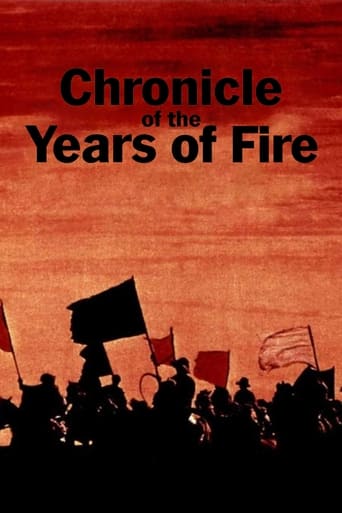
In film, Keltoum's notable performances include her powerful portrayal in "Vent des Aurès" (1966) directed by Mohamed Lakhdar-Hamina, as well as roles in "Hassan Terro" (1968) and "Chronicle of the Brazen Years" (1974). She was honored in March 2010 by the Lumières filmmakers' association, although she was unable to attend due to illness. Keltoum's contributions to the arts continue to inspire future generations, and she was laid to rest in the El Alia cemetery.
