Jerry Scheff
Jerry Scheff, an accomplished bass player, was born and raised in the vibrant San Francisco Bay Area. He initially took up the tuba in elementary school, but by seventh grade, he had transitioned to the string bass, gravitating towards jazz and R&B. By the age of fifteen, Scheff was already performing in local clubs in Sacramento and San Francisco. His musical journey took a significant turn when he joined the U.S. Navy during his senior year of high school, where he attended the Navy School of Music in Washington, D.C. There, he honed his skills in theory and harmony while playing alongside talented musicians. Following his education, he taught at the school and played in jazz venues, later relocating to San Diego.
After his military service, Scheff settled in Los Angeles, where he gained a foothold in the recording industry, initially as a valve trombone player. His first notable recording as a bassist was with The Association on hits like "Along Comes Mary" and "Cherish," the latter of which featured an amusing mistake that Scheff later embraced. One of the highlights of his career was contributing to The Doors' iconic album, *LA Woman*.
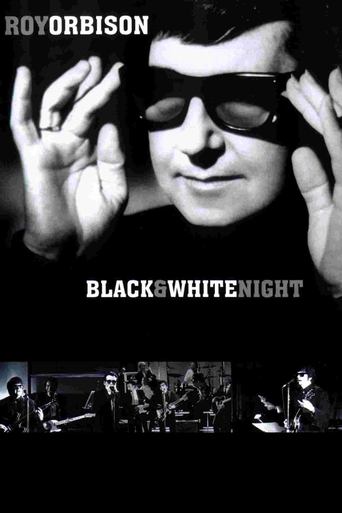
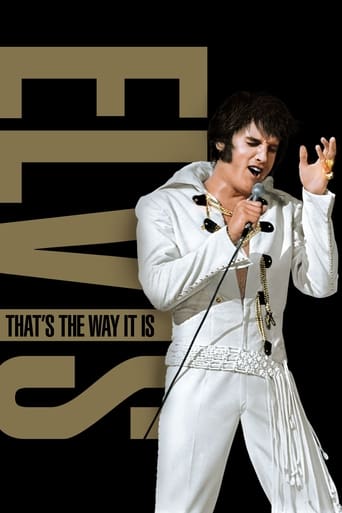
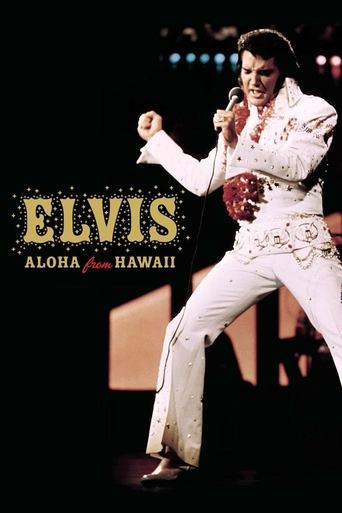
From 1969 to 1977, Scheff became synonymous with Elvis Presley’s music, performing live and recording numerous tracks with the King of Rock 'n' Roll. He appeared in landmark documentaries such as *Elvis: That’s The Way It Is* and *Aloha From Hawaii*. In the following decades, Scheff collaborated with talents like Elvis Costello and John Denver, and featured in the celebrated concert film *A Black and White Night* alongside Roy Orbison. Today, he remains active as a session musician and songwriter, sharing his passion for music with his two sons, both of whom are musicians, including Jason Scheff, who succeeded Peter Cetera in the band Chicago.