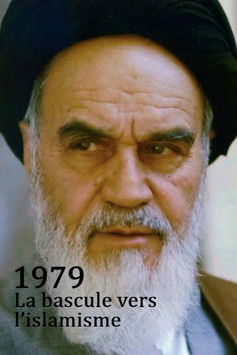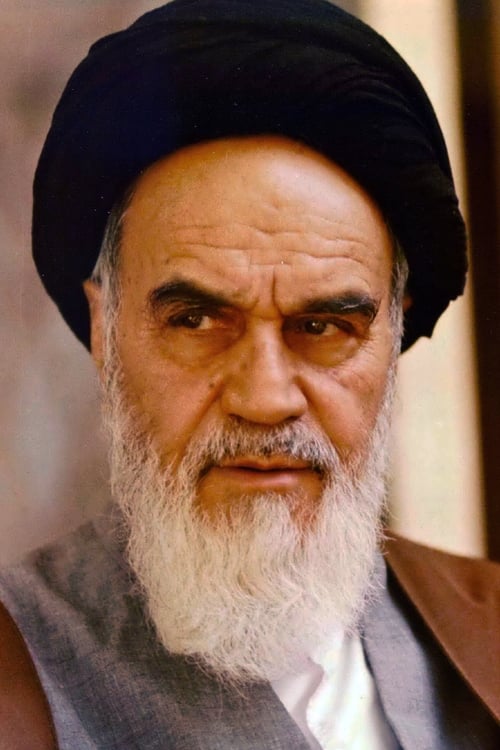

Ruhollah Khomeini
Ruhollah Khomeini, also known as Ayatollah Khomeini or Imam Khomeini, was a pivotal figure in Iranian history, born on May 17, 1900, and passing on June 3, 1989. As a prominent political and religious leader, he played a crucial role in the establishment of the Islamic Republic of Iran, becoming its first supreme leader after the 1979 Iranian Revolution. This revolution marked a significant turning point, resulting in the overthrow of Shah Mohammad Reza Pahlavi and the dissolution of the Persian monarchy.
Khomeini's leadership was characterized by his efforts to shape a new political landscape based on Islamic principles. The position of supreme leader, which he held until his death, was enshrined in the constitution of the Islamic Republic, making him the highest authority in both political and religious spheres. His tenure was notably marked by the Iran–Iraq War, which lasted from 1980 to 1988, a conflict that defined much of his leadership and tested the resilience of the newly formed government.
Following Khomeini's death, his legacy continued through his successor, Ali Khamenei, who took over the role on June 4, 1989. Khomeini's influence remains significant in Iran, shaping the nation’s political and religious identity long after his passing.