Zózimo Bulbul
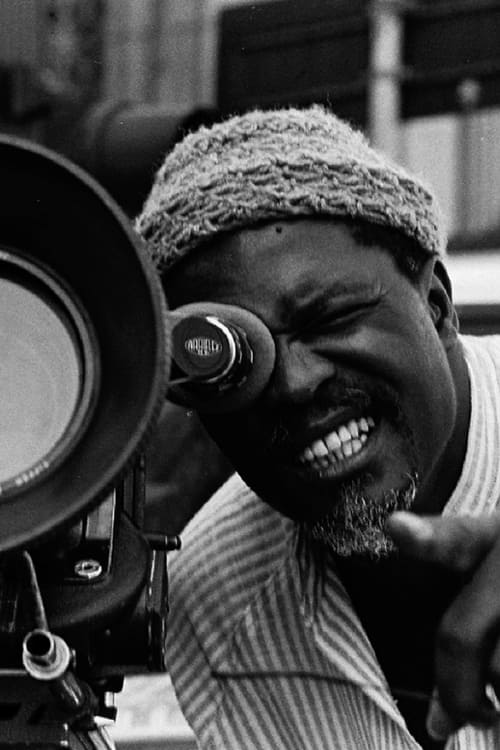
Zózimo Bulbul, born Jorge da Silva, was a prominent figure in Brazilian cinema, celebrated for his multifaceted roles as a filmmaker, actor, producer, and screenwriter. Renowned as a pillar of black Brazilian cinema, he founded the Black Cinema Center ("Centro Afro Carioca de Cinema") in Rio de Janeiro, which aimed to elevate the representation of black narratives in film.
Throughout his acting career, Bulbul graced over 30 feature films, collaborating with notable directors like Glauber Rocha in "Terra em Transe," Carlos Diegues in "Quilombo," and Antunes Filho in "Compasso de Espera." He made history in 1969 by becoming the first black actor to portray a lead role in a Brazilian television soap opera with "Vidas em Conflito."
Bulbul's directorial debut came in 1974 with the short film "Alma no Olho," which set the stage for his ongoing commitment to highlighting black culture in Brazil. His most acclaimed work, the 1988 documentary "Abolição," critically examines the aftermath of Brazil's 1888 abolition of slavery, exploring the significant changes experienced by the black population over the following century. Bulbul's dedication to his craft and advocacy for representation continued until his passing in 2013, leaving a lasting legacy in the landscape of Brazilian cinema.
Filmography