Cecil B. DeMille
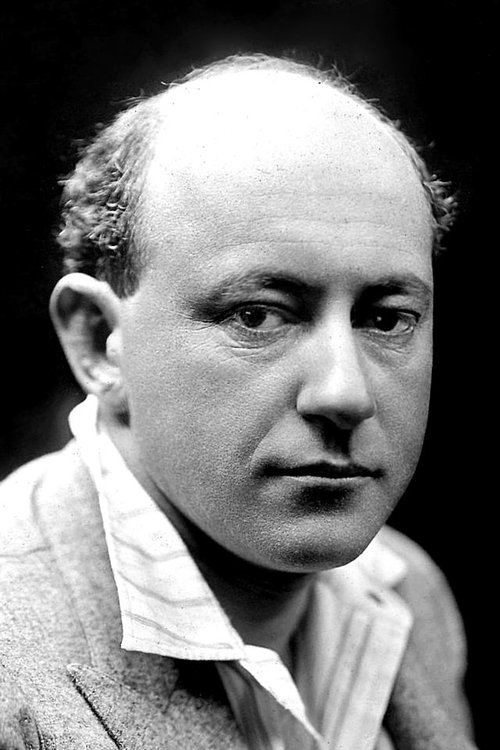
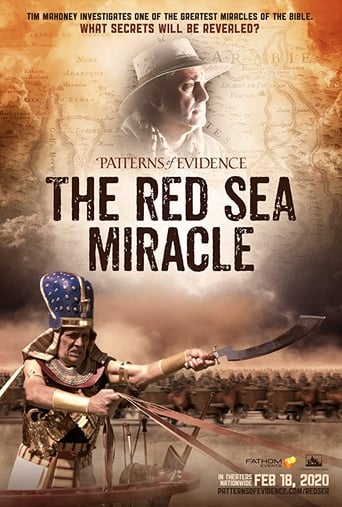
Cecil Blount DeMille (August 12, 1881 – January 21, 1959) stands as a pivotal figure in the evolution of American cinema, often credited as a founding force in the Hollywood film industry. Renowned for his remarkable ability to blend grand spectacle with compelling narratives, DeMille directed seventy feature films from 1914 to 1956, achieving commercial success with nearly all of them. He is particularly celebrated for his religious epics, including The King of Kings, Samson and Delilah, and the iconic The Ten Commandments (1956), which all conveyed profound themes of faith.
DeMille was instrumental in shaping the role of the director, famously depicted as the commanding figure with a megaphone, boots, and a visored cap. His talent for discovering and nurturing star talent contributed to the rise of prominent actors such as Wallace Reid, Gloria Swanson, Charlton Heston, and Claudette Colbert.
A pioneer in technical aspects of filmmaking, DeMille introduced concepts such as studio story editing and theatrical lighting, and he embraced new technologies as sound emerged in the late 1920s, utilizing innovative techniques like the microphone boom.
Beyond cinema, DeMille's influence extended to various sectors, including aviation, banking, and politics, and he became a notable radio personality in the 1930s. A founding member of the Academy of Motion Picture Arts and Sciences, he won two Academy Awards, including Best Picture for The Greatest Show on Earth in 1953. His works have left a lasting cultural legacy, with films like The King of Kings viewed by an estimated 800 million people, and both Samson and Delilah and The Ten Commandments remaining among the highest-grossing films of all time.