Joseph Stalin
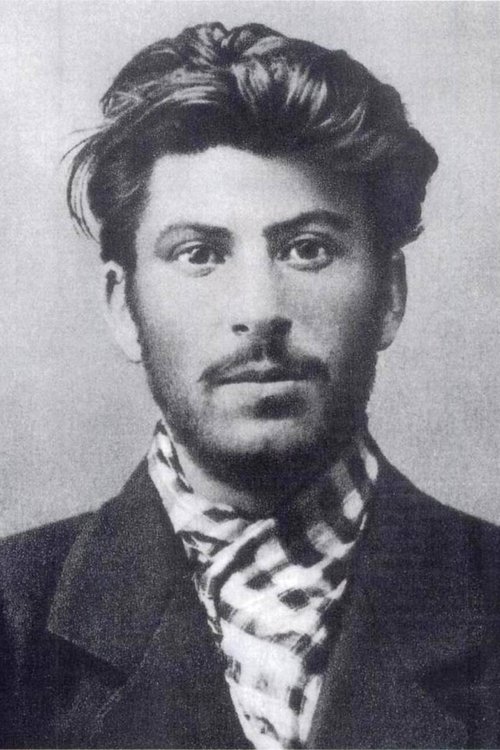
Iosif Vissarionovich Stalin, originally named Dzhugashvili, was born on December 18, 1878, in Gori, located in the Tiflis province of the Russian Empire. He emerged as a significant political figure in the Soviet Union, serving as the de facto leader from the 1920s until his death in 1953. Appointed as General Secretary of the Central Committee of the Communist Party in 1922, he played a pivotal role in consolidating power following Vladimir Lenin's death in 1924.
Stalin held several key military and governmental positions, including Generalissimo of the Soviet Union (1945) and People's Commissar of Defense (from July 19, 1941). His leadership during World War II was crucial; he led the Soviet Union to victory over Nazi Germany, earning the title of Marshal of the Soviet Union in 1943.
Stalin's policies transformed the Soviet economy, notably shifting from the New Economic Policy to aggressive industrialization and collectivization, which began in the late 1920s. His tenure was marked by significant achievements, such as the rapid industrial growth of the USSR and the establishment of a centralized planned economy. However, it was also characterized by widespread repression and the establishment of a totalitarian regime, which left a complex legacy. Stalin's influence on Soviet and global politics remains a topic of extensive study and debate.
Filmography
Hitler's Girl
Winston Churchill: A Giant in the Century
The Corporation
Stalin's James Bond
When the Wind Blows
The Soviet Story
Cold War Secrets: Stealing the Atomic Bomb
Three Songs About Lenin
State Funeral
The Russian Revolution
Cannibal Island
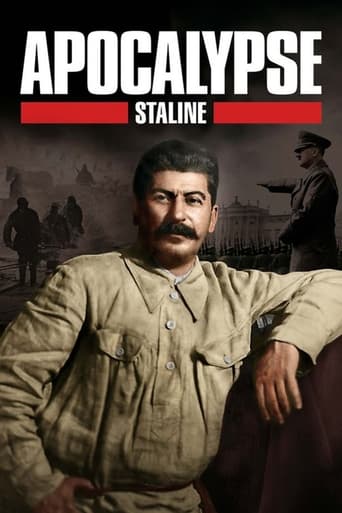
Apocalypse: Stalin
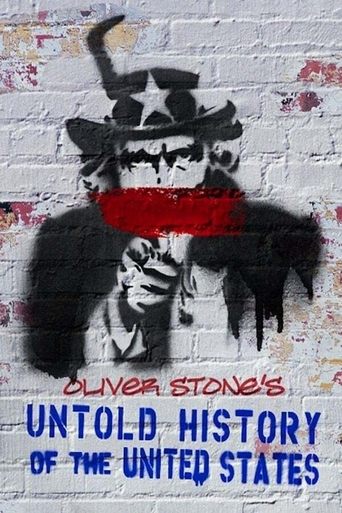
Oliver Stone's Untold History of the United States
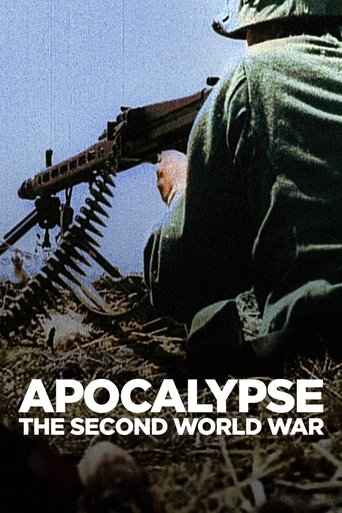
Apocalypse: The Second World War
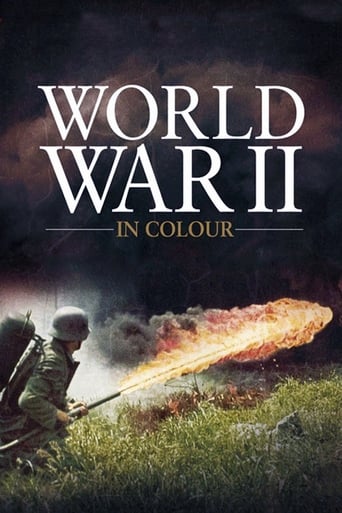
World War II in Colour
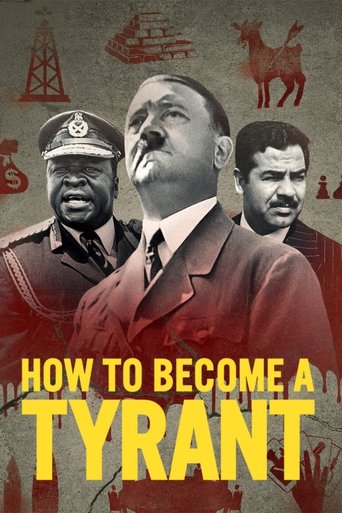
How to Become a Tyrant
Greatest Events of World War II in Colour