HD
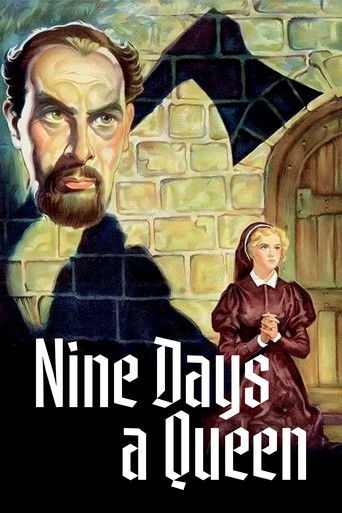
as Lady Jane Grey
To download the movie you need to register a free account
🔓 REGISTER NOWAccess to download all movies

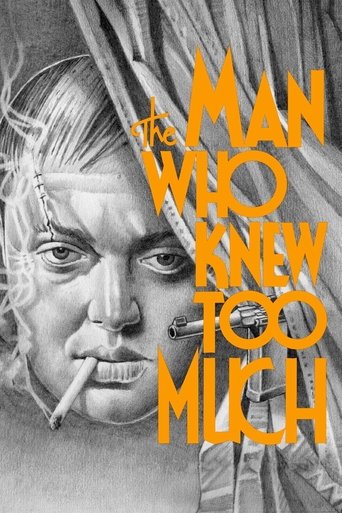
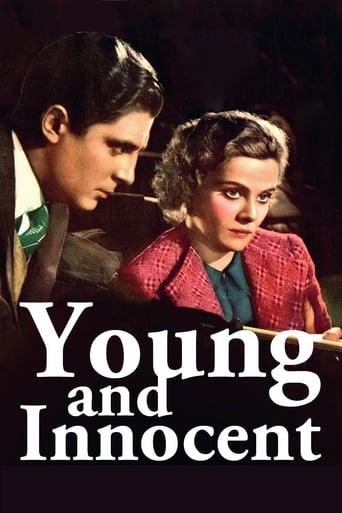
Nova Margery Pilbeam (15 November 1919 – 17 July 2015) was a prominent English actress known for her work in both film and theatre. Pilbeam first captivated audiences as a child performer, which led to a flourishing career in her teenage years. She gained significant recognition for her role in Alfred Hitchcock's The Man Who Knew Too Much (1934), where she portrayed a young girl who is kidnapped. This was followed by her leading role as Lady Jane Grey in Tudor Rose (1936) and a starring part in Hitchcock's Young and Innocent (1937), which she fondly described as "the sunniest film I was involved with," highlighting her positive rapport with the legendary director.
In 1939, Pilbeam participated in an early British television drama, and her talent caught the attention of Hollywood producer David O. Selznick, who sought her for the lead in Hitchcock's Rebecca (1940). However, concerns over a lengthy contract led to Joan Fontaine ultimately landing the role. Unlike many contemporaries, Pilbeam chose to remain in the UK, appearing in at least nine British films and numerous stage productions throughout the 1940s, with one of her final film appearances being in The Three Weird Sisters (1948).
Pilbeam married Pen Tennyson, an assistant director to Hitchcock and a descendant of poet Alfred Lord Tennyson, in 1939. Tragically, Tennyson died in a plane crash two years later. She later wed BBC Radio journalist Alexander Whyte in 1950 and had a daughter, Sarah Jane, in 1952. Pilbeam spent her later years in Dartmouth Park, London, where she passed away on 17 July 2015 at the age of 95.