
Albert Einstein
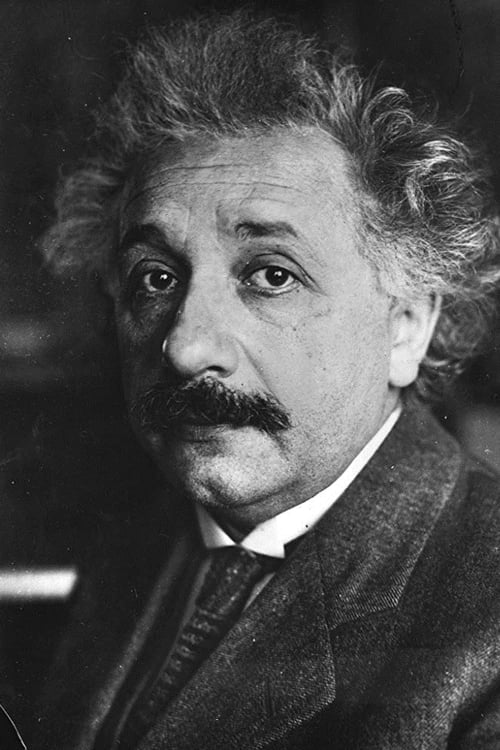
Albert Einstein (March 14, 1879 – April 18, 1955) was a renowned theoretical physicist originally from Germany, celebrated for formulating the theory of relativity, which stands as one of the core foundations of modern physics, alongside quantum mechanics. His groundbreaking contributions not only transformed the scientific landscape but also left a lasting impact on the philosophy of science. Among his most famous contributions to the public is the mass-energy equivalence formula, E = mc², often referred to as "the world's most famous equation."
In recognition of his significant advancements in theoretical physics, Einstein was awarded the Nobel Prize in Physics in 1921. This honor was bestowed upon him "for his services to theoretical physics, and especially for his discovery of the law of the photoelectric effect," which played a crucial role in the evolution of quantum theory.
Throughout his career, Einstein's work transcended traditional boundaries, reshaping our understanding of time, space, and energy. His legacy continues to inspire scientists and thinkers around the globe, affirming his status as one of the most influential figures in the history of science. His innovative ideas and profound insights have solidified his reputation as a visionary whose influence endures well beyond his time.
Filmography
Secrets of the Universe: Great Scientists in Their Own Words
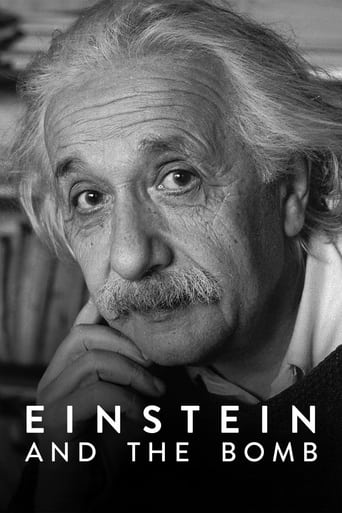
Einstein and the Bomb
Cold War Secrets: Stealing the Atomic Bomb
The Man Who Stole Einstein's Brain
The Science of Interstellar
Trinity and Beyond: The Atomic Bomb Movie
History 101
Icons
How the Universe Works
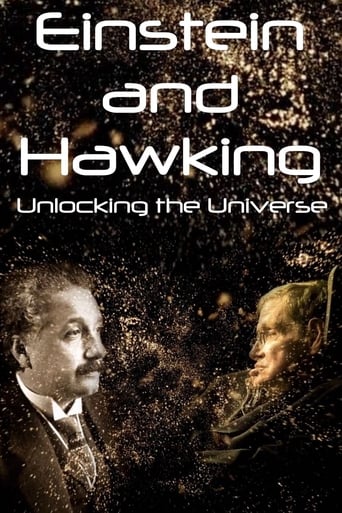
Einstein and Hawking: Masters of Our Universe