Marguerite Duras
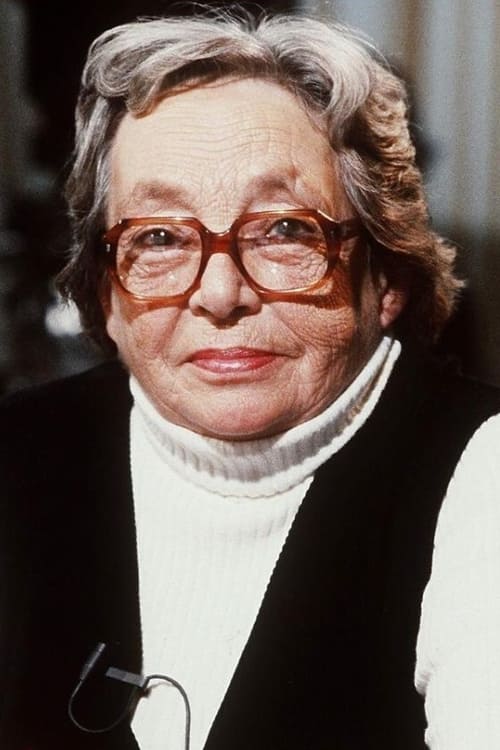
Marguerite Germaine Marie Donnadieu, widely recognized as Marguerite Duras, was born on April 4, 1914, in Gia Định, Cochinchina (present-day Vietnam). She emerged as a prominent figure in French literature, making significant contributions as a novelist, playwright, screenwriter, essayist, and experimental filmmaker throughout her career.
Duras' early life was marked by hardship; her father passed away when she was just seven, prompting her family’s return to France for a brief period. After moving back to Indochina, they faced financial challenges, a struggle that would later inspire her novel, *Un barrage contre le Pacifique* (*The Sea Wall*). In 1933, Duras relocated to Paris, where she pursued a law degree, ultimately working at the Ministry of the Colonies before marrying fellow writer Robert Antelme in 1939.
During World War II, Duras was involved with the French Communist Party and the Resistance, notably alongside François Mitterrand. Following the war, she published her first novel in 1943, adopting the surname Duras, derived from her father's hometown.
Her screenplay for *Hiroshima mon amour* (1959) garnered an Academy Award nomination for Best Original Screenplay, solidifying her stature in cinema. Duras also created several acclaimed works, including *L'Amant* (*The Lover*), which further established her legacy in literature. She passed away on March 3, 1996, leaving behind a remarkable body of work that continues to influence writers and filmmakers worldwide.
Filmography
Baxter, Vera Baxter
Le Navire Night
Little Girl Blue (2023)