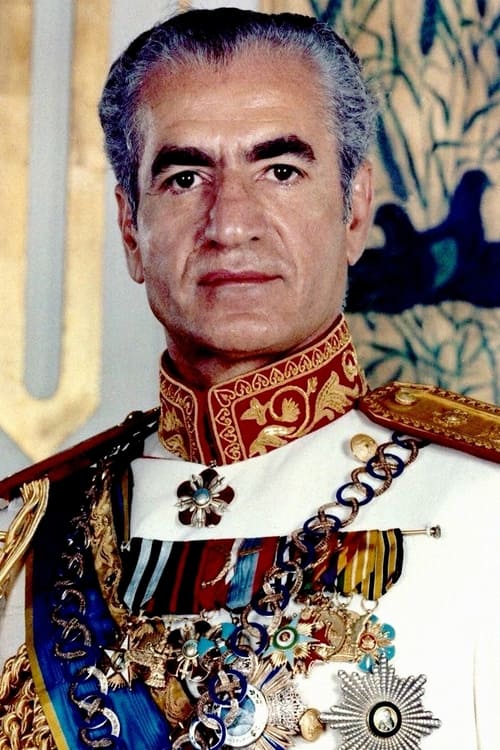

Shah Mohammad Reza Pahlavi of Iran
Mohammad Reza Pahlavi, born on October 26, 1919, and passing away on July 27, 1980, was the final monarch of the Imperial State of Iran, reigning from September 16, 1941, until his ousting during the Iranian Revolution on February 11, 1979. Commonly referred to as the Shah, he played a pivotal role in shaping modern Iran.
Ascended to the throne following the abdication of his father, Reza Shah Pahlavi, Mohammad Reza's reign was marked by significant modernization efforts and ambitious reforms under the White Revolution, which aimed to transform the country’s economy and society. He initiated land reforms, expanded women's rights, and promoted industrialization. However, his authoritarian rule and reliance on the secret police, the SAVAK, led to widespread discontent among various societal groups.
Despite his attempts to modernize Iran, his regime faced growing opposition, culminating in the 1979 revolution that resulted in his exile. During his reign, he was also known for his close relations with Western powers, particularly the United States, which became a point of contention among his critics.
Following his exile, Pahlavi lived in several countries before settling in Egypt, where he passed away in 1980. His legacy remains controversial, as he is remembered both for his modernization efforts and the oppressive nature of his rule.