Edgard Varèse
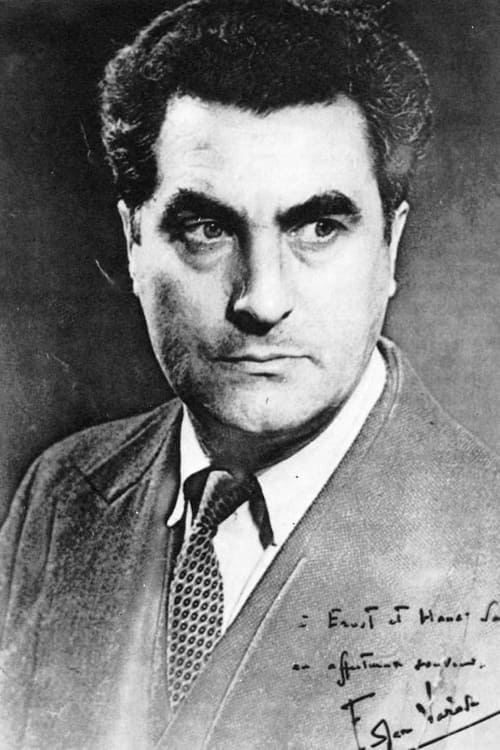
Edgard Varèse, born December 22, 1883, in Paris, and who passed away on November 6, 1965, in New York, was a pioneering composer who became a naturalized American citizen. His early musical education at the Schola Cantorum and the Paris Conservatory laid the groundwork for a career that would challenge conventional boundaries of classical music.
Varèse was influenced by avant-garde figures like Debussy and Busoni, which ignited his desire to explore beyond traditional compositional techniques. By 1914, he began to reject the tempered scale and conventional instruments, focusing instead on the "sound material itself." This radical approach led him to discard many of his earlier works and experiment with new sound technologies, including the siren, which he utilized in his American compositions.
His orchestral piece "Arcana" marked a shift towards smaller, more specialized ensembles. However, the limitations of the World War II era forced him into silence until the mid-1950s when advancements in recording technology allowed him to emerge with groundbreaking works like "Poème électronique," created for the 1958 Brussels World’s Fair.
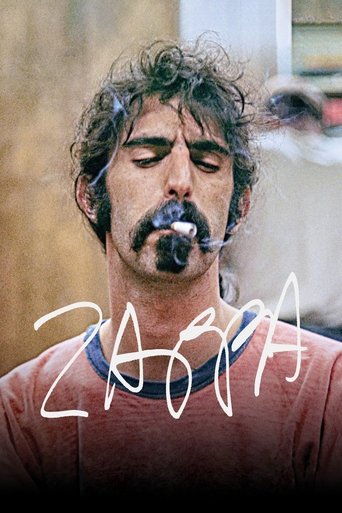
Varèse’s fascination with science is evident in his compositions, which often bear titles referencing mathematics, metallurgy, and even alchemy. Pieces such as "Densité 21.5" and "Ionization" exemplify this synthesis of art and science. The premiere of "Déserts" in 1954 captivated a new generation of composers, including Iannis Xenakis and Frank Zappa, establishing Varèse as a key figure and innovator in 20th-century music.
Filmography