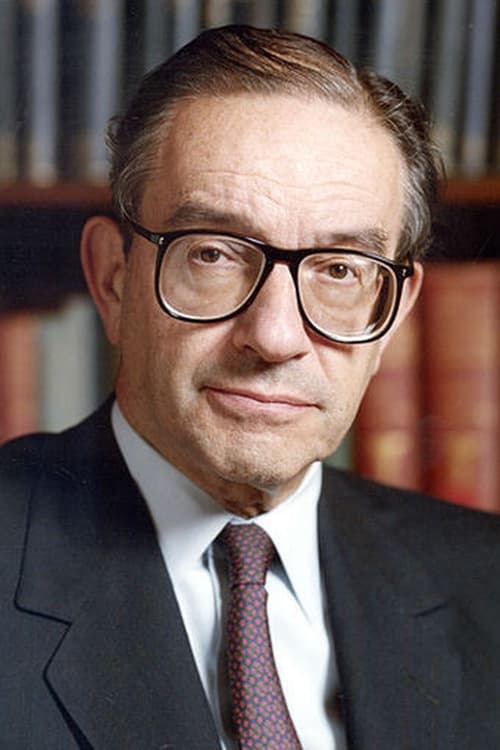

Alan Greenspan
Alan Greenspan, born on March 6, 1926, is a prominent American economist renowned for his role as the Chairman of the Federal Reserve from 1987 to 2006. His tenure is recognized as one of the longest in the history of the Federal Reserve, spanning nearly two decades. Initially appointed by President Ronald Reagan in August 1987, Greenspan was subsequently reappointed for four consecutive terms, showcasing the confidence placed in his economic leadership and policy decisions.
During his time at the Federal Reserve, Greenspan was instrumental in navigating the U.S. economy through several pivotal events, including the 1990-1991 recession and the dot-com bubble. His policies were characterized by a focus on low inflation and economic growth, which earned him a reputation as a skilled monetary policy strategist.
After retiring on January 31, 2006, Greenspan continued to lend his expertise as a private consultant, establishing Greenspan Associates LLC, where he advises various organizations and firms. His insights into economic trends and monetary policy remain highly sought after, reflecting his lasting impact on American economic thought and policy. Greenspan's contributions to economics and finance have solidified his legacy as one of the key figures in shaping modern monetary policy.