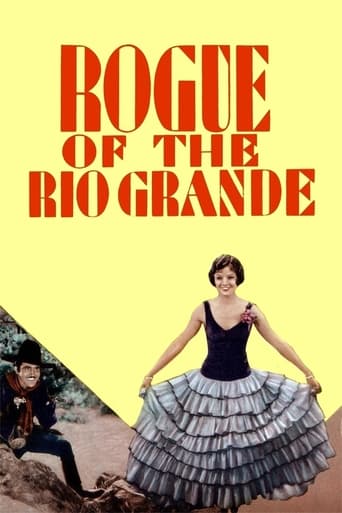
HD
as El Malo
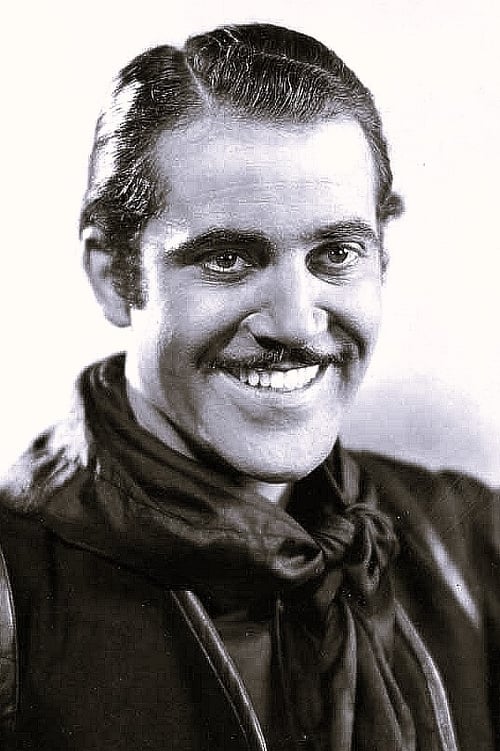
José Bohr, originally named Joseph Bohr Elzer, was born on November 3, 1901, in Germany. In 1904, his family relocated to southern Chile, where Bohr's artistic talents flourished in Punta Arenas. By his early twenties, he had made significant strides in both music and film, composing the hymn "Punta Arenas," performing piano for silent films, and creating early cinematic works.
In 1921, Bohr moved to Santiago and then traveled to Brazil, Uruguay, and Argentina, commissioned by the Chilean Ministry of Foreign Affairs to produce a documentary. He eventually settled in Buenos Aires, where he composed numerous songs that enriched the popular music scene, including hits like "Y tenía un lunar," "Cascabelito," and "Pero hay una melena." His talents took him to the United States in 1925, where he debuted in the musical "Gaucho" at the Paramount Theater on Broadway. Notably, he starred in "Sombras de gloria," the first Spanish-language film produced in Hollywood, earning a symbolic Oscar due to the absence of a best foreign film category at the time.
In 1932, Bohr moved to Mexico, where he became a prominent figure in cinema, collaborating with luminaries such as Luis Buñuel and Cantinflas, and directing over thirty films. Among his notable works is a 1936 film featuring Claudio Arrau, centered on the life of composer Franz Liszt.
Returning to Chile in 1940, he led Chile Films, directing sixteen films and composing scores for nearly all of his sixty cinematic projects. His celebrated films include "Uno que ha sido marino," "Si mis campos hablaran," and "El gran circo Chamorro." In 1976, he was honored as an Illustrious Son of Punta Arenas and received the Bernardo O'Higgins Order of Merit.
In the 1980s, Bohr moved to Denmark with his
