Pete Seeger
Peter Seeger (May 3, 1919 – January 27, 2014) was a renowned American folk musician whose influence extended beyond music into social activism. He first gained widespread recognition in the 1940s with his prominent presence on radio, but it was in the early 1950s that Seeger made a significant impact as a member of the folk group the Weavers. Their rendition of Lead Belly's "Goodnight, Irene" became a massive success, dominating the charts for an impressive 13 weeks in 1950.
However, the political climate of the time, particularly during the McCarthy Era, led to the blacklisting of the Weavers, which temporarily sidelined Seeger's career. In the 1960s, he made a remarkable comeback as a leading voice in the folk revival, using his platform to advocate for various social issues, including civil rights, anti-war movements, labor rights, and environmentalism. His songs became anthems for change, inspiring generations of activists.
Throughout his career, Seeger released numerous albums and penned iconic songs like "If I Had a Hammer" and "Where Have All the Flowers Gone," which continue to resonate today. His commitment to social causes and his contributions to American music earned him a place in the hearts of many, solidifying his legacy as both an artist and a champion for justice.
Filmography
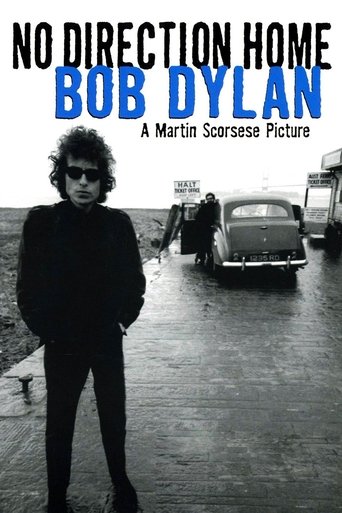
No Direction Home: Bob Dylan
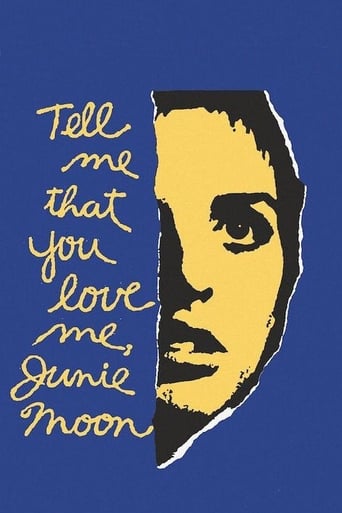
Tell Me That You Love Me, Junie Moon
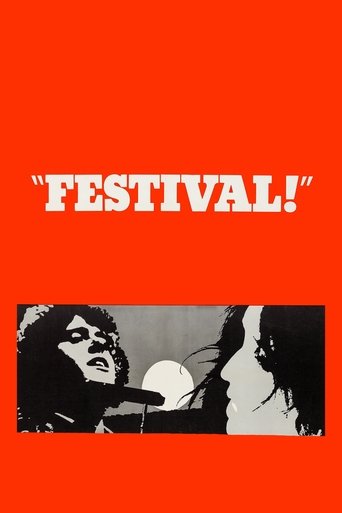
Festival
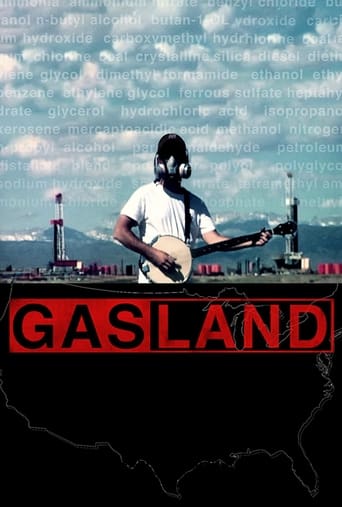
Gasland
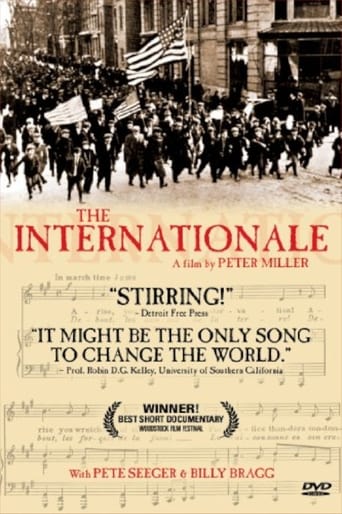
The Internationale
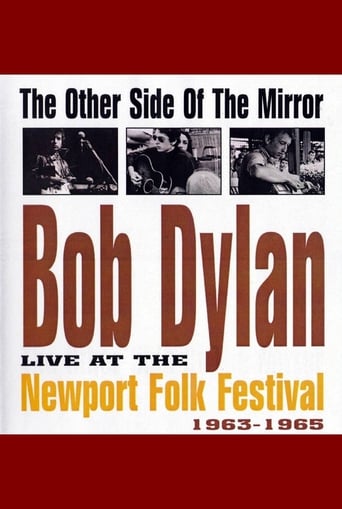
The Other Side of the Mirror: Bob Dylan: Live at the Newport Folk Festival