Philip K. Dick
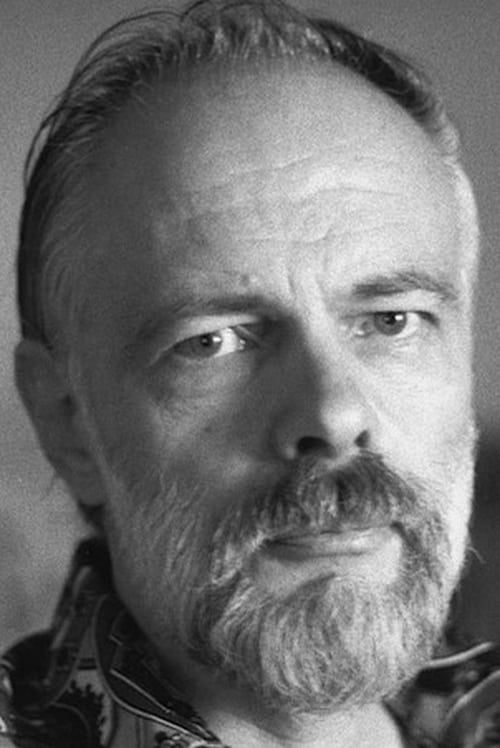
Philip K. Dick was a renowned American author celebrated for his short stories, novels, and essays that have left an indelible mark on the science fiction genre. Born on December 16, 1928, Dick emerged as one of the most influential figures in mid-twentieth-century literature, known for his unique ability to weave intricate narratives that challenge reality and provoke thought. His prolific output includes numerous works that delve into the intersections of technology, society, and philosophy, making them particularly resonant in the era following World War II.
Dick's storytelling is characterized by its innovative and often unsettling themes, prompting readers to question the nature of existence and consciousness. Among his most notable works are "Do Androids Dream of Electric Sheep?"—the basis for the iconic film "Blade Runner"—and "The Man in the High Castle," which explores alternate histories. His literature has not only garnered critical acclaim but has also inspired a myriad of film adaptations, further cementing his legacy in popular culture.
Posthumously, Dick's writings have become a focal point for academic analysis, with scholars examining his exploration of complex social and metaphysical dilemmas. Recognized for his significant contributions to literature, Philip K. Dick remains a pivotal figure in science fiction, influencing generations of writers and filmmakers alike. He passed away on March 2, 1982, leaving behind a rich tapestry of thought-provoking narratives.
Filmography