Lyudmila Tselikovskaya
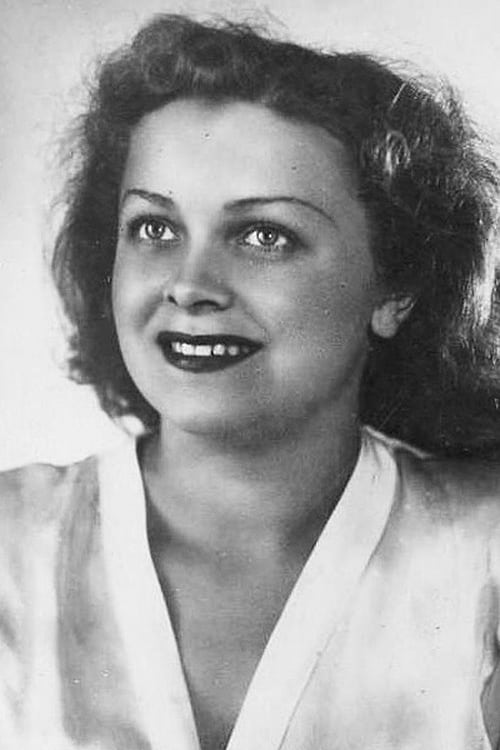
Lyudmila Tselikovskaya, born on September 8, 1919, in Astrakhan, Russia, was a celebrated film and stage actress who emerged as an unofficial sex symbol in the Soviet Union during the 1940s. The daughter of an orchestra conductor and an opera singer, she began her artistic journey studying piano at the Gnesin School of Music in Moscow, later transitioning to acting at the Shchukin Theatrical School of the Vakhtangov Theatre, from which she graduated in 1941.
A prominent member of the Vakhtangov Theatre's company from 1941 until 1992, Tselikovskaya shared the stage with notable actors including Mikhail Ulyanov and Vasiliy Lanovoy. Her portrayal of classic Shakespearean characters, notably Juliet in "Romeo and Juliet" and Beatrice in "Much Ado About Nothing," showcased her exceptional talent.
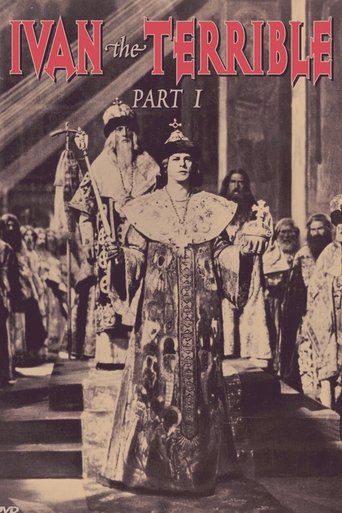
Tselikovskaya's film career began with a memorable role in Sergei Eisenstein's "Ivan the Terrible, Part I" (1945). However, her artistic ambitions faced a setback when Joseph Stalin cancelled her nomination for the Stalin Prize, leading to a lack of official support for the remainder of her career. During World War II, she performed for Red Army troops alongside her husband, actor Mikhail Zharov, but both faced censorship afterward, resulting in limited opportunities.
In 1948, she married architect Karo Alabyan, who tragically faced false accusations leading to his untimely death. For 15 years, Tselikovskaya lived with director Yuri Lyubimov, hosting a cultural salon attended by prominent intellectuals. Despite the official media’s silence, she remained beloved by the public and was honored as the People's Actress of Russia. Lyudmila Tselikovskaya passed away from cancer on July 2, 1992, in Moscow, leaving behind a significant legacy in Russian
Filmography