
Leni Riefenstahl
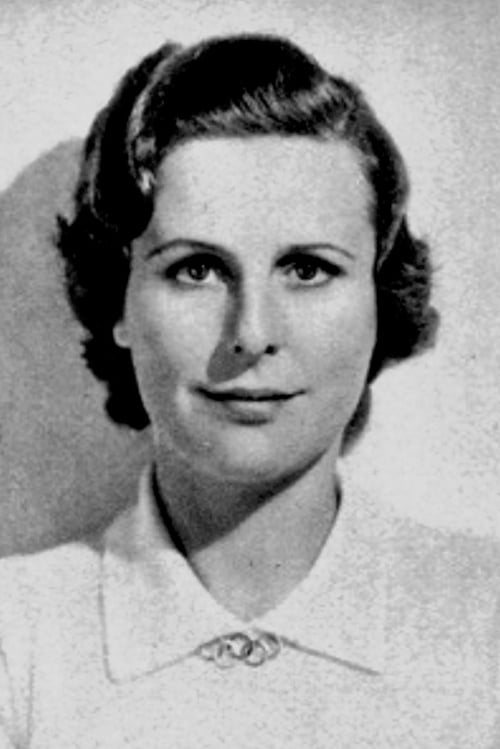
Helene Bertha Amalie, known as Leni Riefenstahl, was born on August 22, 1902, and passed away on September 8, 2003. A prominent German filmmaker, actress, and dancer, Riefenstahl earned recognition for her groundbreaking contributions to cinema. Her most notable work, "Triumph des Willens" (Triumph of the Will), filmed during the 1934 Nuremberg rally, catapulted her to both international fame and notoriety. While her close ties to Adolf Hitler and her role in the Nazi regime led to a tarnished legacy after Germany's defeat in World War II, Riefenstahl's cinematic techniques and artistic vision remain influential.
Despite directing only eight films, Riefenstahl's impact on film history is significant. Her works from the 1930s, although controversial due to their propagandistic nature, are often lauded for their aesthetic innovations. The Economist recognized her as "the greatest female filmmaker of the 20th century," highlighting her lasting influence.
In the 1970s, Riefenstahl shifted her focus to photography, capturing the Nuba tribes of Sudan in acclaimed books such as "The Last of the Nuba." She continued to work into her later years, producing marine photography and the underwater film "Impressionen unter Wasser" in 2002.
Following her death, Riefenstahl was acknowledged as a pioneering figure in film and photography, with outlets like the Associated Press and Der Tagesspiegel celebrating her groundbreaking techniques and lasting impact on the art of cinema.