HD
To download the movie you need to register a free account
🔓 REGISTER NOWAccess to download all movies
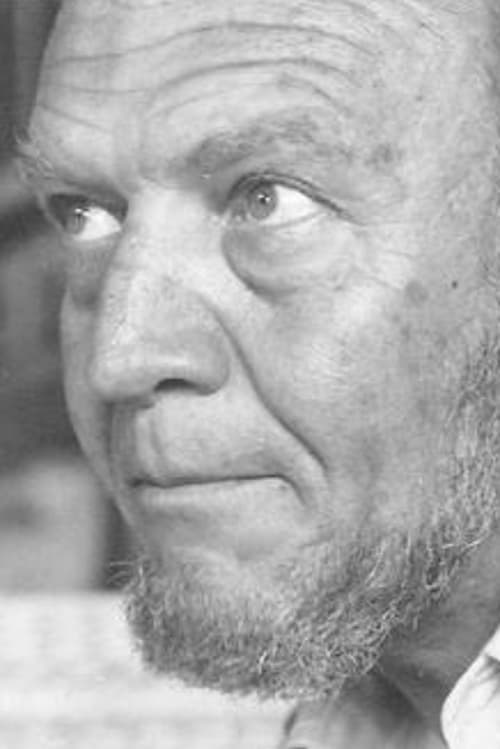
**Max Kerlow: A Multifaceted Mexican Talent**
Max Kerlow, a celebrated Mexican actor, boasts an impressive filmography of over 100 films. His artistic journey began with aspirations of becoming a painter, but fate redirected him towards architecture. Encouraged by a cousin, Kerlow pursued architecture at the National Autonomous University of Mexico, graduating in 1954. Shortly thereafter, he immersed himself in the arts, collaborating with notable artists like Manuel Felguérez and Felipe Ehrenberg. Together, they innovated in ceramics and developed a unique technique for painting on amate paper, which Kerlow later taught to indigenous communities at his café-gallery, La Amargura, in San Ángel.
Though he only held one painting exhibition, Kerlow's daily practice of drawing and caricaturing news events reflected his artistic spirit. In a documentary by Carolina Kerlow, he expressed a bittersweet realization of creative timing, echoing Picasso's sentiments about age and opportunity.
Kerlow's true calling emerged in acting, which he pursued with passion, beginning his cinematic career in 1963 with Juan José Gurrola’s *Confesión de Stavroguin*. He became a sought-after actor, collaborating with prominent directors like Paul Leduc and Arturo Ripstein. His notable performances include roles in *Las Poquianchis* (1976), *Frida, naturaleza viva* (1983) as Leon Trotsky, and *Mediterráneo* (1991), which won an Academy Award for Best Foreign Film.
In 1998, he received an Ariel Award for Best Male Co-acting for his role in *Por si no te vuelvo a ver*. Beyond acting, Kerlow's talents extended to magic and storytelling, embodying the vibrant spirit of Mexican cinema.