Vsevolod Pudovkin
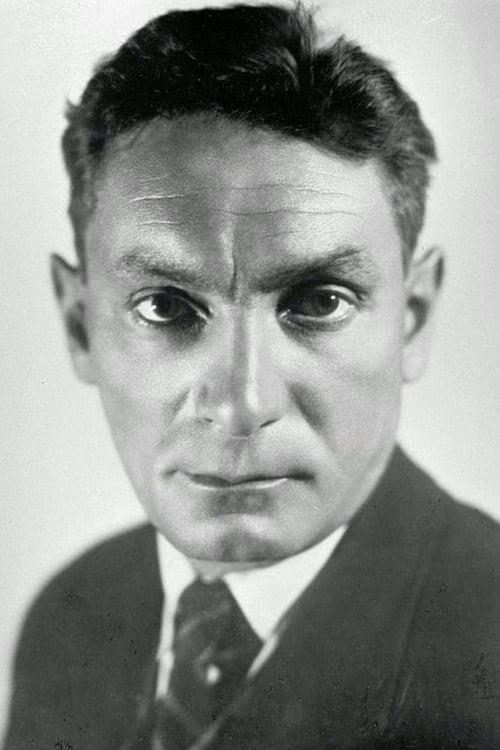
Vsevolod Illarionovich Pudovkin was a prominent Russian and Soviet filmmaker, screenwriter, and actor renowned for his groundbreaking contributions to film theory, particularly in the realm of montage. Born in 1893, Pudovkin emerged as a key figure in the Soviet film industry, creating a distinctive cinematic style that focused on the emotional depth and tenacity of individual characters, setting him apart from his contemporary, Sergei Eisenstein, who emphasized collective action and the power of the masses.
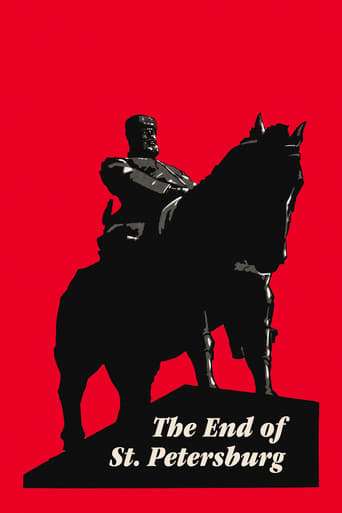
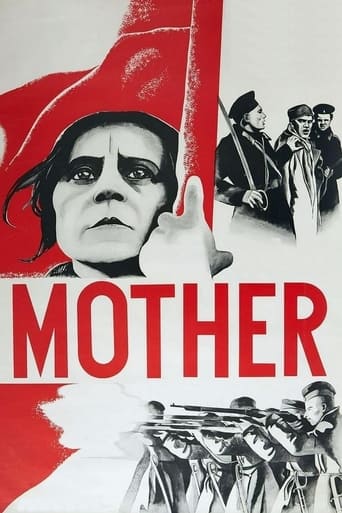
Pudovkin’s most notable works include the silent film "Mother" (1926), an adaptation of Maxim Gorky's novel that poignantly explores themes of personal sacrifice and social change. His other significant films, such as "Storm Over Asia" (1928) and "The End of St. Petersburg" (1927), further showcased his innovative approach to storytelling through montage, illustrating the struggles of individuals against broader socio-political contexts.
Throughout his illustrious career, Pudovkin received numerous accolades, culminating in 1948 when he was honored as a People's Artist of the USSR, recognizing his profound impact on the art of filmmaking. His theories on montage and narrative structure continue to influence filmmakers and scholars, solidifying his legacy as a central figure in the evolution of cinematic language. Pudovkin passed away in 1953, leaving behind a rich heritage of artistic innovation.
Filmography
The End of St. Petersburg
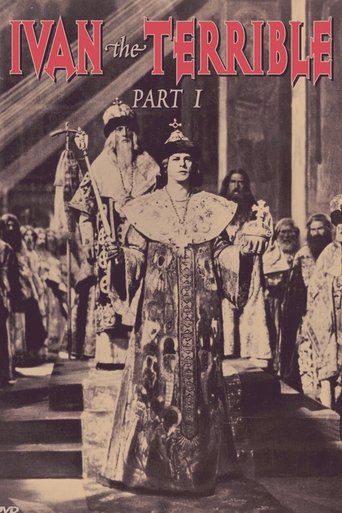
Ivan the Terrible, Part I