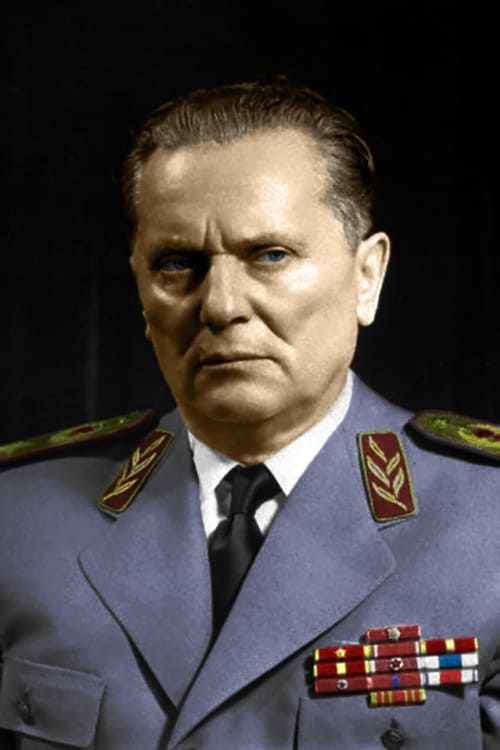
Josip Broz Tito
Josip Broz, widely recognized as Tito, was born on May 7, 1892, and passed away on May 4, 1980. A prominent Yugoslav revolutionary and politician, Tito played a pivotal role in shaping the political landscape of Yugoslavia from 1943 until his death. He is best remembered for leading the Partisan resistance during World War II, which is celebrated as one of the most effective movements against Axis forces in occupied Europe. His leadership not only contributed to the liberation of Yugoslavia but also established him as a key figure in international communist politics.
Following the war, Tito became the president of the Socialist Federal Republic of Yugoslavia on January 14, 1953, where he remained until his death. Under his rule, he pursued a policy of non-alignment during the Cold War, navigating a complex relationship between the Eastern and Western blocs. His leadership style fostered a sense of unity among the diverse ethnic groups within Yugoslavia, promoting a unique form of socialism that diverged from Soviet influence.
Tito's legacy includes significant socio-economic reforms and the establishment of a unique federal structure that allowed for substantial autonomy among Yugoslav republics. His death in 1980 marked the end of an era, and he is often remembered as a controversial yet influential leader whose impact on Yugoslavia and global politics continues to be studied and debated.
Filmography