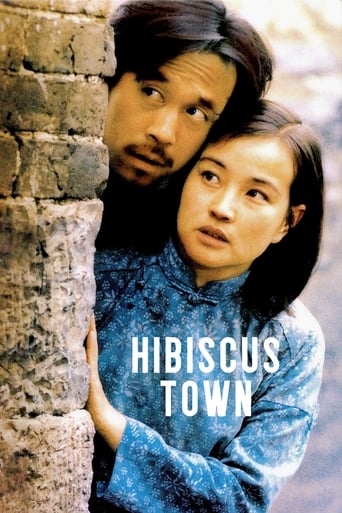
HD
as Sister Hong
To download the movie you need to register a free account
🔓 REGISTER NOWAccess to download all movies
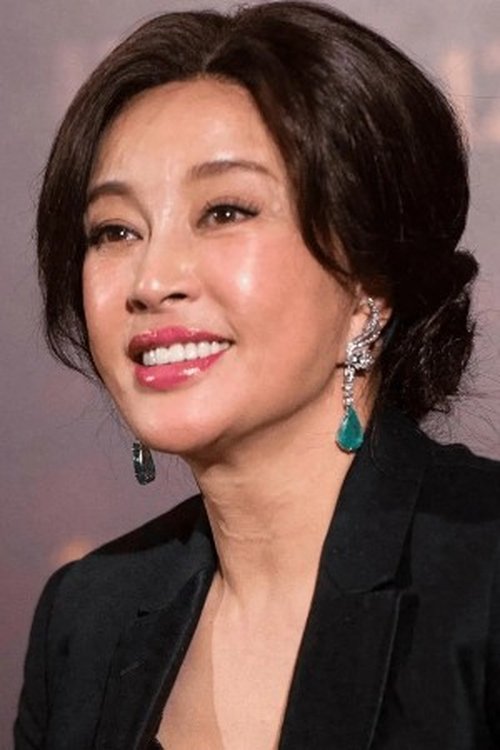
Liu Xiaoqing began her career in humble beginnings, initially toiling as a farm laborer before transitioning to a propagandist role for the People's Liberation Army and later showcasing her talents as a stage actor with the Chengdu Military Drama Group.
Before reaching the age of 30, Liu had already made her mark in mainland Chinese cinema, featuring in films such as The Great Wall of the South China Sea (1976), What a Family (1979), and The Little Flower (1980). Her career-defining moment came with her powerful portrayal of the formidable Empress Dowager Cixi in The Burning of the Imperial Palace (1983) and Reign Behind the Curtain (1984). This role not only garnered her critical acclaim but also numerous accolades at Chinese film festivals. Liu's rendition of Cixi was so impactful that she revisited the character in subsequent films, including Li Lianying: The Imperial Eunuch (1991). She made history by winning three Best Actress awards and one Best Supporting Actress award at the Hundred Flowers Awards, solidifying her status as a leading figure in Chinese cinema.
After stepping away from acting in the 1990s to pursue business ventures, Liu made a comeback in the mid-2000s, with notable performances including the titular role in Chunhua (2004) and a stage production of The Last Night of Tapan Chin from 2005 to 2008. In 1983, she published her autobiography, I Did It My Way, and by 1999, she was recognized as one of the wealthiest individuals in China, ranking 45th on Forbes' list of the 50 richest Chinese entrepreneurs. However, her success was marred by legal troubles, as she faced imprisonment for tax evasion in 2002. In 2012, Liu continued to captivate audiences by portraying Sai Jinhua in the play The Beauty.