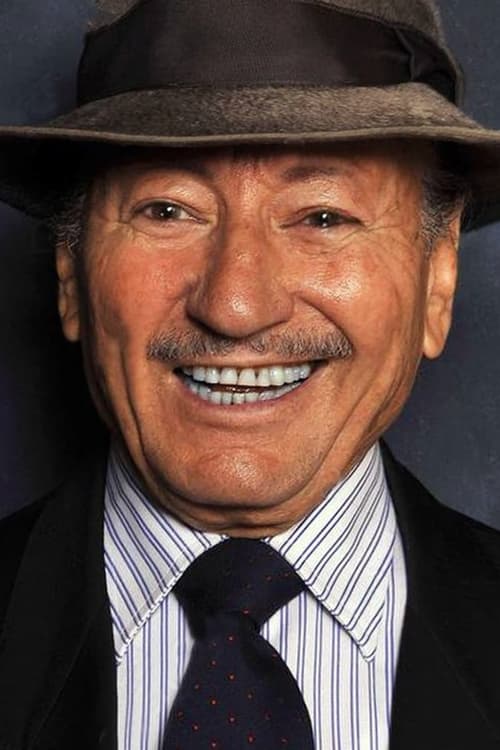
Mohammed Lakhdar-Hamina
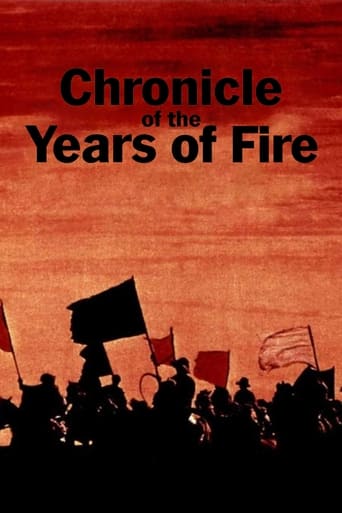
Mohammed Lakhdar-Hamina (26 February 1934 – 23 May 2025) was a distinguished Algerian film director and screenwriter, renowned for his impactful contributions to Arabic cinema. His most celebrated work, *Chronicle of the Years of Fire* (1975), earned him the prestigious Palme d'Or at the Cannes Film Festival, marking a historic moment as the first film from both the Arab world and Africa to receive this accolade.
Born in M'Sila, Algeria, Lakhdar-Hamina's early fascination with cinema blossomed at Lycée Carnot in Cannes. His academic journey included studies in agriculture and law in France, but he left to join the anti-colonial movement against French rule in 1958, aligning himself with the Algerian Resistance in Tunisia.
In 1959, Lakhdar-Hamina was sent to Prague to study cinematography at the Film and TV School of the Academy of Performing Arts but soon transitioned to practical filmmaking at Barrandov Studios. That same year, he produced *Djazzaïrouna (Our Algeria)*, a documentary that depicted the struggles of Algerian nationalists.
After Algeria gained independence in 1962, he returned home, where he directed the Office des actualités algériennes until its closure in 1974. He later led the Office National pour le Commerce et l'Industrie Cinématographique from 1981 to 1984. His last notable film, *The Last Image*, featured at Cannes in 1986, showcasing his enduring influence on cinema.
Lakhdar-Hamina passed away at the age of 91, leaving behind a legacy that intertwined film with Algeria's historical narrative and societal discourse. His family continues his artistic lineage, with his sons, Malik and Tariq, also making their mark in the film industry.
Filmography