Abel Gance
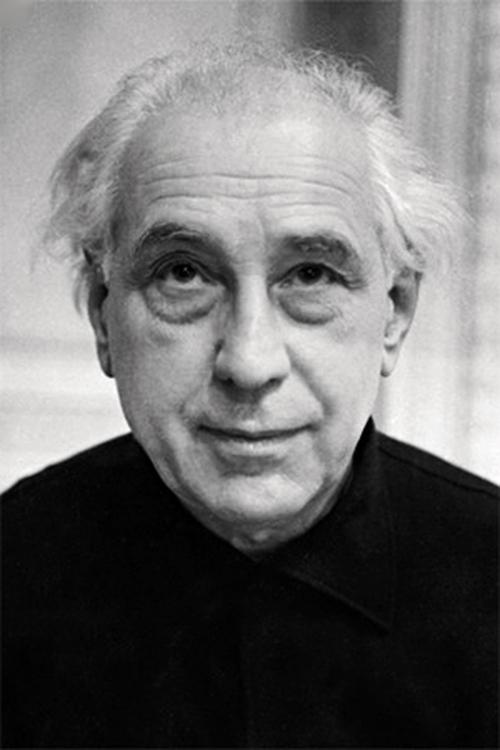
Abel Gance was an influential French filmmaker, recognized for his groundbreaking contributions as a director, producer, writer, and actor. Born in Paris in 1889, Gance made his film debut as an actor in 1909 and soon began writing scripts, frequently collaborating with Gaumont. His early career faced a setback when he contracted tuberculosis, but he overcame the illness and co-founded a production company, Le Film Français, in 1911, where he began directing.
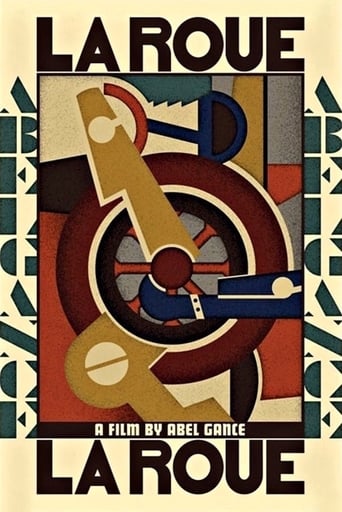
During World War I, Gance was medically unfit for service, which allowed him to focus on filmmaking with the company Film d'Art. By 1919, he had created the powerful anti-war film J'accuse, which garnered significant attention. This was followed by La Roue (1923), a nearly nine-hour epic that showcased his pioneering montage techniques and energetic storytelling.
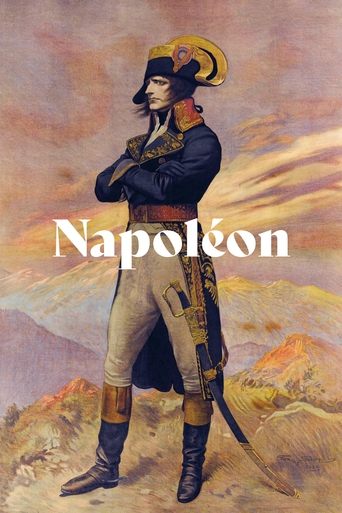
Gance's magnum opus, Napoléon (1927), was a grand six-part project detailing the life of the famed leader. Although only the first part was completed, it introduced revolutionary cinematic techniques, including rapid editing and the Polyvision process, which utilized three cameras for a stunning widescreen effect. The film premiered at the Paris Opéra and, despite its initial obscurity, was revived in a five-hour version by film historian Kevin Brownlow at the Telluride Film Festival in 1979, re-establishing Gance's legacy.
Renowned for his innovative approaches—ranging from handheld camera work to early experiments with sound and color—Gance remains a pivotal figure in film history, influencing generations of filmmakers, including those of the French New Wave.