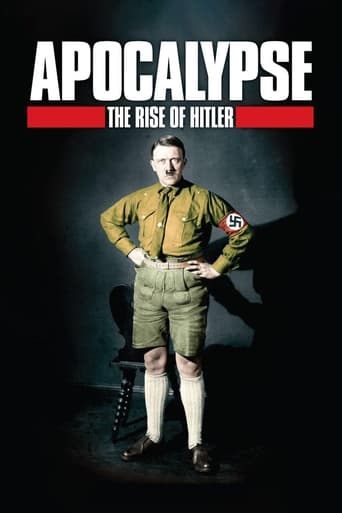
HD
as Self
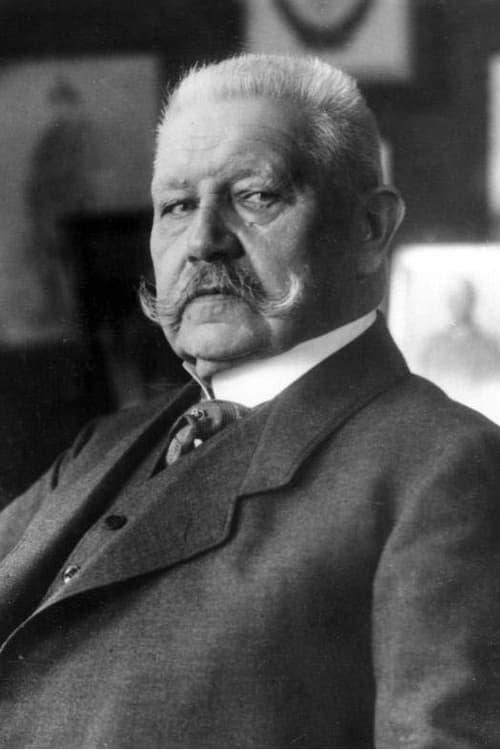
Paul Ludwig von Hindenburg was a prominent German military leader and political figure, best known for his command of the Imperial German Army during the First World War. Born on October 2, 1847, Hindenburg rose to fame through his strategic leadership in significant battles, including the decisive victory at Tannenberg in 1914, which solidified his reputation as a national hero.
After the war, Hindenburg transitioned into politics, ultimately assuming the presidency of Germany in 1925. His time in office was marked by the political turbulence of the Weimar Republic, as he navigated the complexities of a nation grappling with economic strife and social unrest. A pivotal moment in his presidency came in January 1933, when, under considerable influence from his advisers, he made the controversial decision to appoint Adolf Hitler as Chancellor. This move significantly contributed to the rise of the Nazi regime.
Hindenburg's legacy is a complex one, reflecting both his military prowess and the consequential political decisions that shaped Germany's history. He remained in office until his death on August 2, 1934, leaving behind a nation on the brink of transformation. His life encapsulates the tumultuous period of early 20th-century Germany, marked by both achievement and profound consequences.