HD
as Comisario
To download the movie you need to register a free account
🔓 REGISTER NOWAccess to download all movies
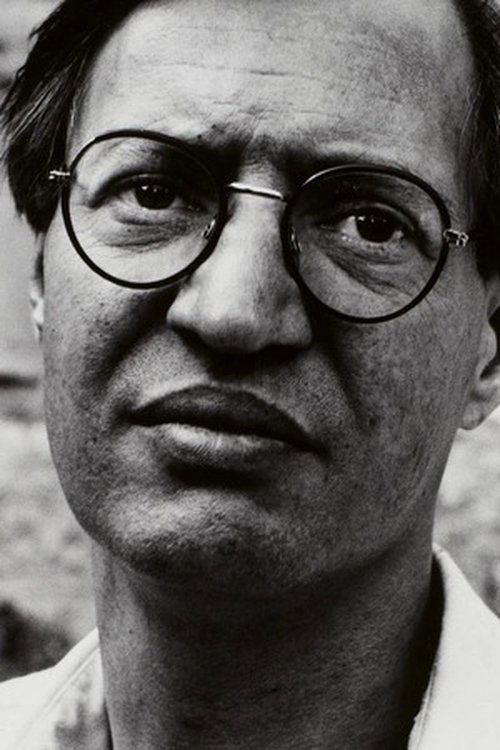
Philippe Clévenot was a prominent figure in the theatrical landscape of France during the 1960s and 1970s, known for his contributions to collective creations aimed at engaging a broader audience, much like his contemporaries Jean Vilar and Ariane Mnouchkine. He honed his craft at the Centre dramatique de l'Est from 1962 to 1965 under the guidance of Hubert Gignoux, Paul Lefèvre, and Claude Petitpierre, while also studying organ, harpsichord, and piano. Following his military service from 1965 to 1967, during which he learned German, Clévenot became involved with the maison de la Culture in Bourges, directed by Gabriel Monnet.
In 1971, he was among the founding members of Théâtre de l'Espérance with Jean Jourdheuil and Jean-Pierre Vincent. He later attended the TNS (Théâtre National de Strasbourg) from 1976, again under Vincent’s direction, and served as a resident artist at the Comédie-Française from 1985 to 1987. Clévenot's versatility allowed him to perform in both classic and contemporary works, including Molière's "Le Misanthrope," Shakespeare's "Macbeth," and Brecht's "In the Jungle of Cities." As a director, he notably staged Eugene O'Neill's "Anna Christie" in Geneva in 2000.
In film, Clévenot debuted in René Allio's "Les Camisards" in 1970 and collaborated with acclaimed directors like Bertrand Blier and Patrice Leconte. One of his last cinematic performances was in Gilles Bourdos's "Disparus" in 1998. Clévenot passed away on October 18, 2001, at the age of fifty-nine, after a long illness, and was laid to rest in Villerville.