Leila Mourad
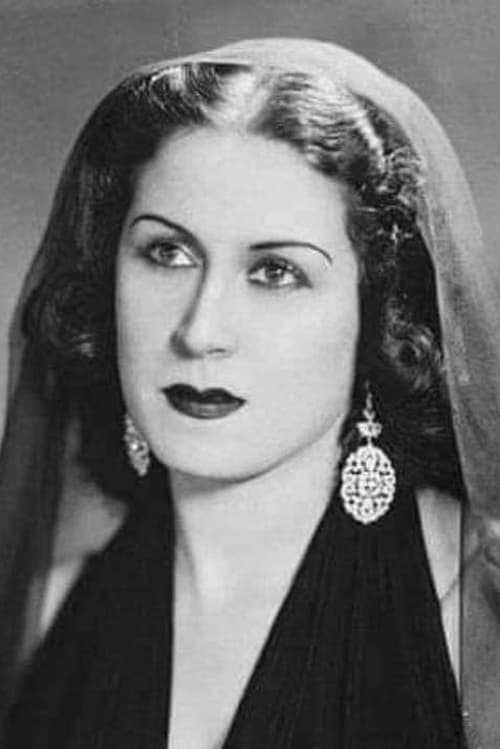
Leila Mourad, born Lilian Zaki Ibrahim Mourad on February 17, 1918, in Cairo's El Daher District, was a celebrated Egyptian singer and actress who became a cultural icon throughout the Arab world. Hailing from a patriotic Egyptian Jewish family, she adopted the stage name Leila Mourad early in her career. Her artistic journey began at the tender age of nine when she graced the stage of Saalat Badi'a, a renowned music hall established by the famed Badia Masabni, who became her mentor.
Mourad's film debut occurred at fifteen with "Al-Dahaaya" (The Victims), initially a silent film that later incorporated her song, "The Day of Departure," marking her transition into the talkie era. She honed her musical craft under the guidance of her father and composer Dawood Hosni, who created two songs for her.
Her big break came in 1938 when the esteemed composer Mohammed Abdel Wahab cast her in "Yahia el Hob" (Viva Love!). Following this success, she starred in five hit films directed by Togo Mizrahi, solidifying her status as Egypt's leading actress. In 1945, she starred in "Layla Bint al-Fuqara" and married its director, Anwar Wagdi, with whom she collaborated on many projects, including "Ghazel el-Banat" ("The Flirtation of Girls").
In 1953, Mourad was appointed the official singer of the Egyptian revolution, but controversies surrounding her alleged connections to Israel led to a temporary boycott. After her retirement at 38, following the lackluster reception of her last film and political turmoil, she made occasional appearances, notably reading "Fawazeer Ramadan" during Ramadan in 1970. Mourad passed away in Cairo on November 21, 1995, leaving behind a legacy as one of the era's most influential performers.
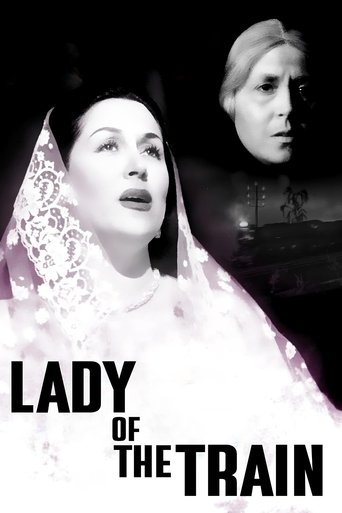
Filmography