HD
as Donna Isobel
To download the movie you need to register a free account
🔓 REGISTER NOWAccess to download all movies
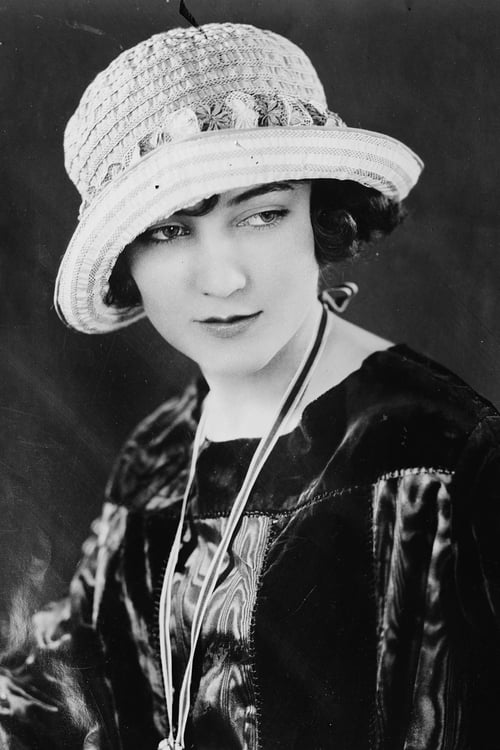
Jane Winton, born on October 10, 1905, in Philadelphia, Pennsylvania, was a multifaceted talent known for her work as a movie actress, dancer, opera soprano, writer, and painter. She began her artistic career in the 1920s as a dancer with the illustrious Ziegfeld Follies, where she quickly gained a reputation for her captivating performances.
Relocating to the West Coast, Winton earned the nickname "the green-eyed goddess of Hollywood," thanks to her striking features and undeniable talent. Her filmography from the late 1920s includes notable roles in various productions such as *Tomorrow's Love* (1925), *Why Girls Go Back Home* (1926), and *The Fair Coed* (1927). Among her significant performances was her role as Donna Isobel, the mother of the protagonist, in the groundbreaking film *Don Juan* (1926), which featured John Barrymore and Mary Astor. This film was recognized as the first to utilize Vitaphone technology, marking a pivotal moment in the evolution of sound in cinema.
After her Hollywood career, Winton ventured into the world of opera, performing both nationally and internationally. In 1933, she was a member of the National Grand Opera Company, where she portrayed Nedda in *I Pagliacci*. Her talents also shone through in the operetta *Caviar*, and she gained acclaim in England for her singing and radio work.
Jane Winton passed away on September 22, 1959, at the Pierre Hotel in New York City, leaving behind a legacy of artistic achievement.