Albert Maysles
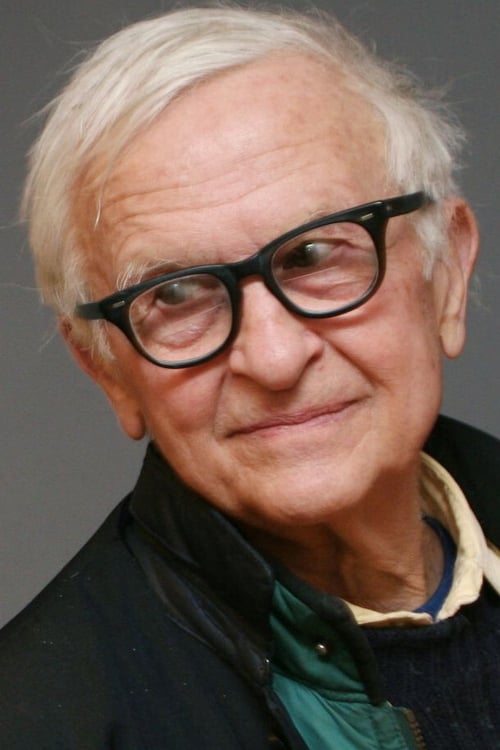
Albert Maysles, alongside his brother David, emerged as a prominent figure in the realm of American documentary filmmaking, celebrated for pioneering the "Direct Cinema" approach. This distinctive style emphasizes an unobtrusive method of capturing reality, allowing the subjects to unfold their stories naturally.
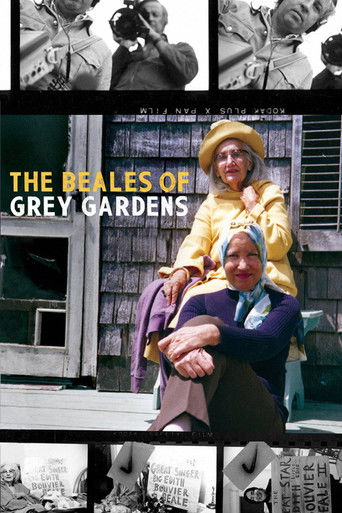
Among their most acclaimed works, "Salesman" (1969) shines a light on the lives of door-to-door Bible salesmen, revealing the often harsh realities they face. Following closely, "Gimme Shelter" (1970) chronicles the tumultuous 1969 Rolling Stones concert at Altamont, encapsulating a pivotal moment in music history. Their touching and complex portrayal of a reclusive mother and daughter in "Grey Gardens" (1975) further solidified their legacy, showcasing the intricate dynamics of family and societal expectations.
Maysles' films are characterized by their intimate and immersive storytelling, which has influenced countless filmmakers. His contributions to documentary cinema have earned him critical acclaim, with "Gimme Shelter" often regarded as one of the greatest documentaries of all time. Over the years, Albert Maysles received numerous accolades, including awards from prestigious film festivals, establishing him as a key figure in the evolution of modern documentary filmmaking. His dedication to capturing the human experience continues to resonate, ensuring that his work remains a touchstone for aspiring filmmakers and documentary enthusiasts alike.