
HD
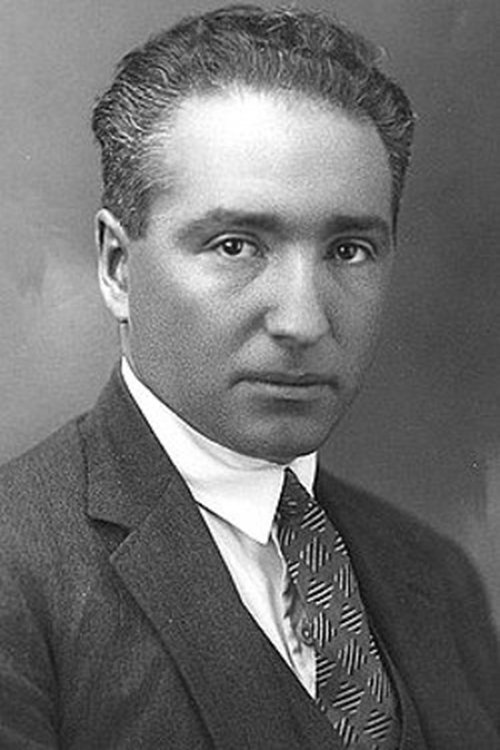
Wilhelm Reich was an Austrian physician and psychoanalyst, recognized as a pivotal figure in the second wave of psychoanalytic thought following Sigmund Freud. His groundbreaking contributions to the field of psychiatry and psychology were encapsulated in a series of influential texts that challenged conventional norms. Among his notable works are *Character Analysis* (1933), where he explored the interplay between personality and emotional health, *The Mass Psychology of Fascism* (1933), in which he examined the psychological underpinnings of fascist movements, and *The Sexual Revolution* (1936), a provocative treatise advocating for sexual liberation as a means of personal and societal transformation.
Reich's radical ideas and innovative approaches often placed him at odds with mainstream psychoanalysis and society at large, earning him a reputation as one of the most controversial figures in psychiatric history. His theories on character structures and the sexual basis of neuroses led to significant discourse and debate, influencing subsequent generations of therapists and thinkers. Despite facing substantial opposition, including a tumultuous relationship with established institutions, Reich's work continues to resonate, underscoring his enduring impact on the fields of psychology and social theory. His legacy endures through the ongoing exploration of his ideas, which remain relevant in contemporary discussions regarding mental health and human sexuality.