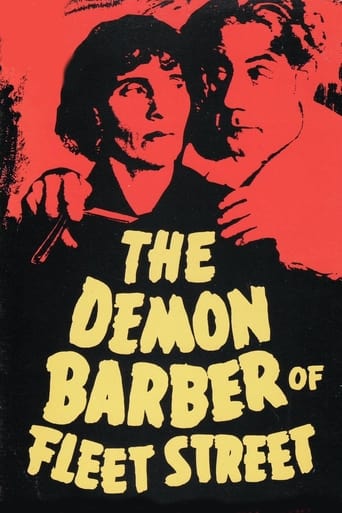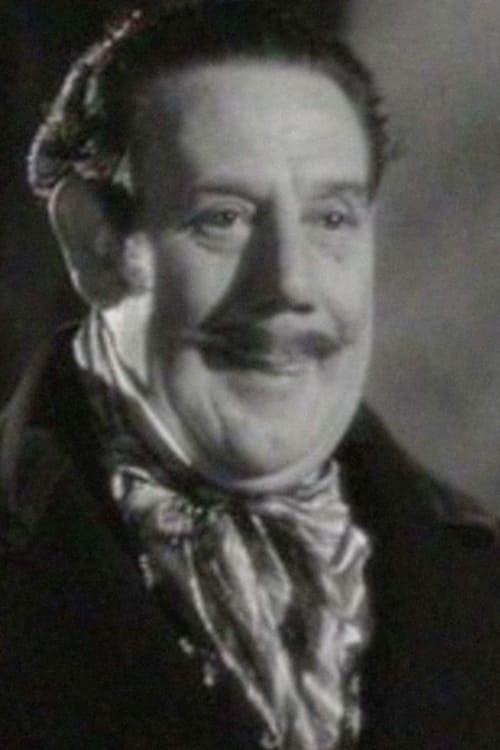
Tod Slaughter
Tod Slaughter began his theatrical journey in 1905, establishing himself as a prominent antagonist in a variety of Victorian melodramas that he toured throughout England. His theatrical prowess and distinctive style quickly garnered attention, making him a beloved figure in the realm of stage villainy. During the 1930s and 1940s, many of these melodramas were adapted into films, often produced on a budget by the renowned quota-quickie director, George King. Slaughter's exaggerated performances perfectly complemented the dramatic narratives of these adaptations, creating a unique cinematic experience that echoed the essence of Victorian storytelling.
His films, characterized by their theatrical flair and sensational plotlines, evoke the spirit of an era that thrived on melodrama. Among his notable works, Slaughter’s portrayals captured the imagination of audiences, providing a glimpse into a world where villains were larger than life. Critics have remarked that his finest films offer a tantalizing suggestion of what Victorian feature films might have looked like had they been produced in their own time. Through his contributions to both stage and screen, Tod Slaughter remains a significant figure in the history of British theatre and cinema, celebrated for his unforgettable roles and the indelible mark he left on the genre of melodrama.
Filmography
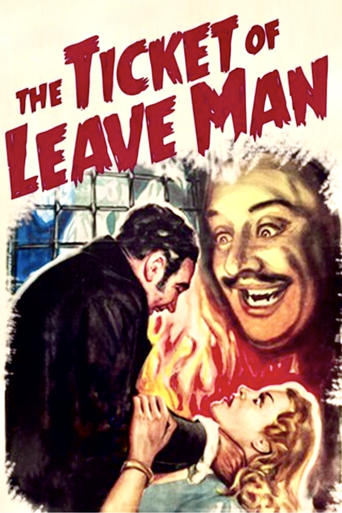
The Ticket of Leave Man
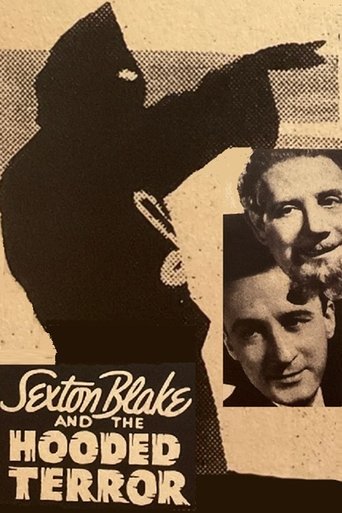
Sexton Blake and the Hooded Terror
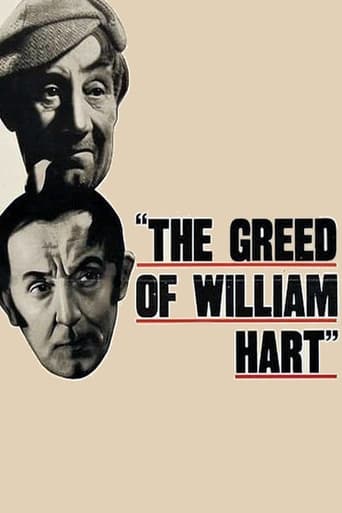
The Greed of William Hart
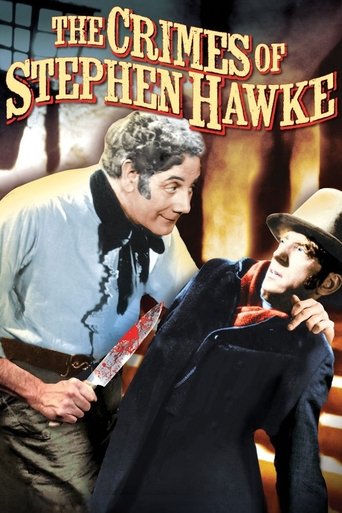
The Crimes of Stephen Hawke
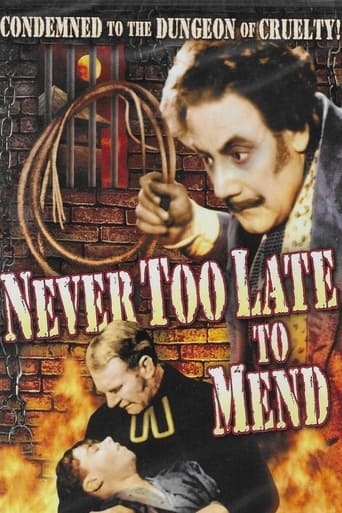
It's Never Too Late to Mend
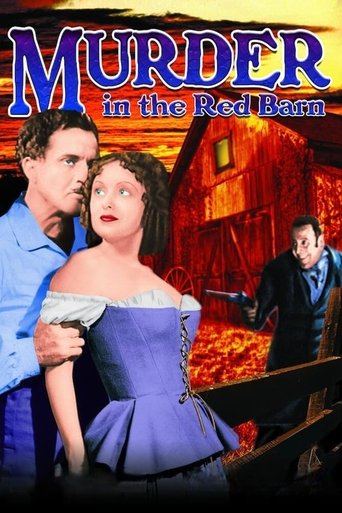
Maria Marten, or The Murder in the Red Barn
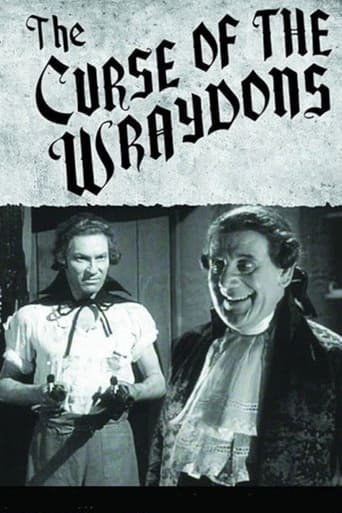
The Curse of the Wraydons
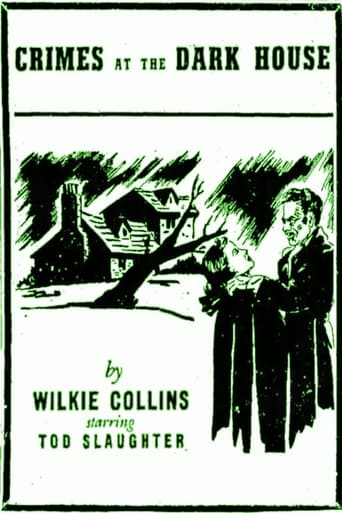
Crimes at the Dark House